
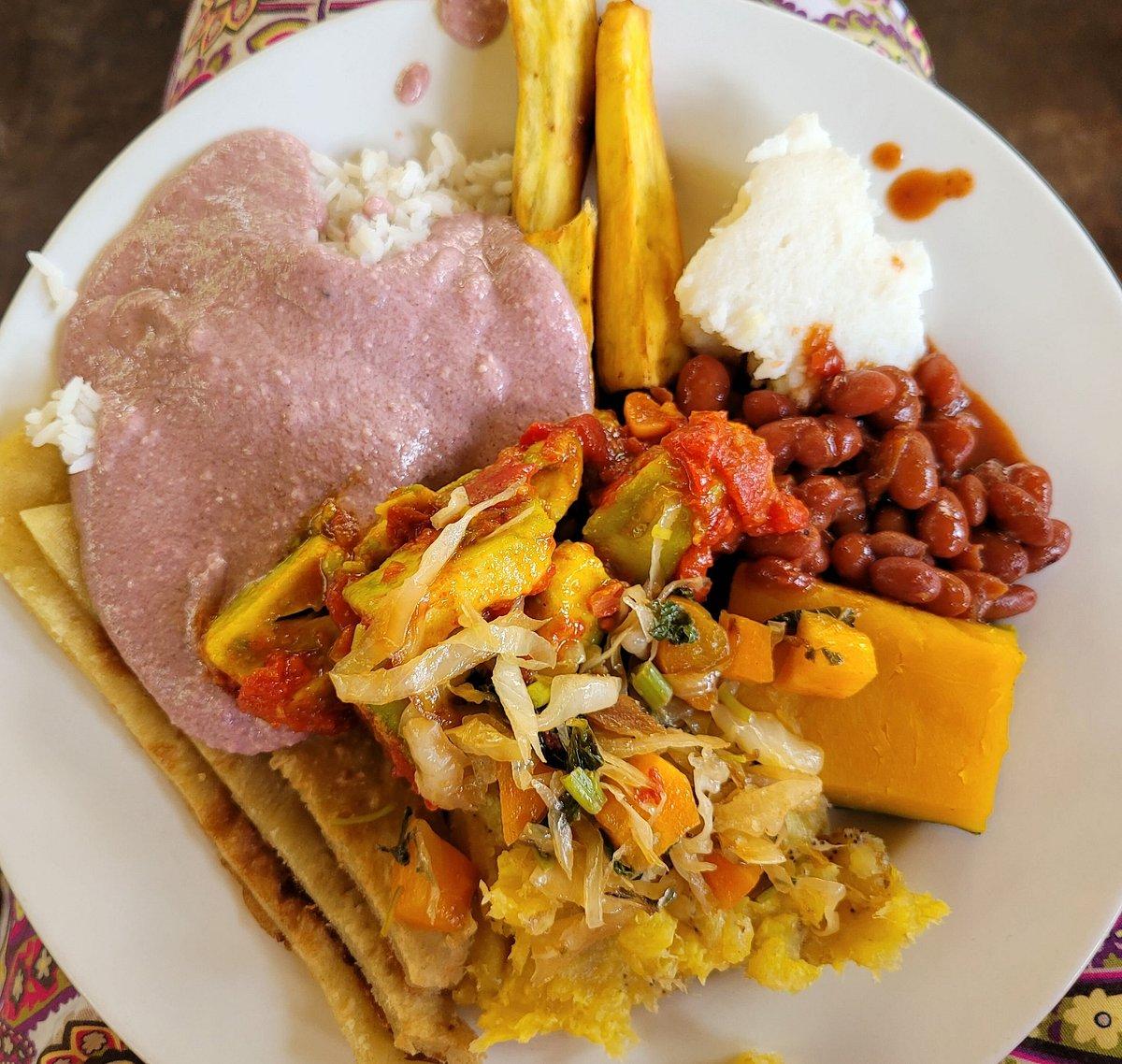
Ugandan Food Guide: 20 Traditional Dishes Every Traveler Should Try
Ugandan Food Guide: 20 Traditional Dishes Every Traveler Should Try
Uganda is famous for its mountain gorillas, beautiful national parks, tropical landscapes and welcoming communities. But there is another part of the country that deserves a place on every traveler’s itinerary: Ugandan food.
From steamed matoke and rich groundnut sauce to freshly prepared chapati, grilled meat and the much-loved Ugandan Rolex, the country’s cuisine reflects its agricultural abundance, regional traditions and everyday way of life.
Food in Uganda is more than something to eat between safari activities. It is a way to experience local hospitality, discover regional ingredients, visit lively markets and understand how communities prepare and share meals.
Whether you are visiting Uganda for gorilla trekking in Bwindi, a wildlife safari in Queen Elizabeth National Park, a cultural tour in Kampala or a longer East African adventure, trying local dishes can make your journey even more memorable.
At Ikumi Gorilla Vacations, we believe a well-planned Uganda safari can include more than wildlife viewing. Depending on your route and interests, you can also discover traditional dishes, sample local street food, visit markets and arrange cultural experiences that introduce you to Uganda’s culinary heritage.
This guide explores 20 traditional and popular Ugandan foods, what they contain, how they are prepared and what international travelers should know before trying them.
What Is Ugandan Food Like?
Ugandan cuisine is diverse, reflecting the country’s different cultural communities, farming traditions, climates and regional ingredients.
Common foods include bananas, cassava, sweet potatoes, beans, maize, groundnuts, millet, vegetables, fish and meat.
Many traditional meals combine a filling staple with a sauce, stew or side dish. Meals may be prepared by steaming, boiling, roasting, grilling or slow cooking, depending on the ingredients and local traditions.
You will also find popular modern street foods and restaurant dishes influenced by Uganda’s urban food culture.
Some foods are common throughout the country, while others are more strongly associated with particular regions or communities.
For travelers, this means that eating in Uganda can be an opportunity to experience different flavors and cooking traditions as you move between destinations.
20 Traditional Ugandan Foods to Try
- Matoke: Uganda’s Beloved Cooked Green Bananas
Matoke is one of the best-known foods in Uganda.
It is prepared using a type of cooking banana that is peeled and cooked until soft. Depending on the recipe and community, the bananas may be steamed, boiled or incorporated into a stew.
Matoke is often served as a main starch alongside groundnut sauce, beans, meat, fish or vegetables.
Its flavor is generally mild, making it a good introduction to traditional Ugandan food for visitors who prefer familiar, gently flavored dishes.
What does matoke taste like?
Cooked matoke has a soft texture and a mild, slightly earthy flavor. Its taste and consistency vary according to the preparation method.
How is it served?
You may find matoke served mashed, steamed or as part of a meal with several accompaniments.
Where can you try it?
Matoke is widely available in homes, local restaurants and many hotels serving Ugandan cuisine.
For travelers on safari, it is one of the easiest traditional dishes to look for when sampling local meals.
- Luwombo: A Traditional Steamed Dish
Luwombo is a celebrated dish associated particularly with the Baganda people of central Uganda.
It involves cooking ingredients in banana leaves, traditionally using a covered steaming method that allows the flavors to develop slowly.
Depending on the recipe, luwombo may contain chicken, beef, fish, groundnut sauce or mushrooms.
The banana leaves help retain moisture and contribute to the cooking process.
Why should travelers try luwombo?
Luwombo introduces visitors to a distinctive traditional cooking technique and the importance of banana leaves in Ugandan food preparation.
The ingredients and presentation vary, so ask what is available when ordering.
For visitors interested in culture as well as food, luwombo is an excellent dish to explore during a culinary experience in central Uganda.
- Posho: A Staple Made From Maize Flour
Posho is a firm maize-flour staple commonly eaten in Uganda.
It is prepared by gradually mixing maize flour into hot water and stirring until the mixture becomes thick.
Depending on local terminology and preparation, similar foods may be described as ugali or by other regional names.
Posho is often served with beans, vegetables, meat, fish or groundnut sauce.
What does posho taste like?
Its flavor is relatively mild, and its texture is firm enough to be eaten alongside a sauce or stew.
Is it suitable for travelers?
Yes. It can be a useful introduction to everyday Ugandan meals, particularly for travelers who enjoy simple, filling foods.
- Ugandan Rolex: Chapati and Eggs
The Ugandan Rolex is one of the country’s most recognizable street foods.
Despite the name, it is not a wristwatch. The word is commonly understood as a playful contraction of rolled eggs.
A typical Rolex consists of an egg omelet, often mixed with chopped vegetables, rolled inside a chapati.
Some versions contain tomatoes, onions, cabbage or other ingredients, depending on the vendor.
The dish became especially popular as a convenient, affordable meal that can be prepared quickly and eaten on the move.
Why is the Rolex popular?
It is filling, portable and widely associated with Uganda’s street-food culture.
Where can you try it?
You will find Rolex vendors in Kampala and many other towns, although availability and preparation styles vary.
Choose a busy vendor with good food-handling practices and freshly cooked ingredients.
For many visitors, trying a freshly prepared Rolex is an enjoyable way to experience everyday Ugandan food culture.
- Groundnut Sauce: A Rich and Nutty Accompaniment
Groundnut sauce is made from ground peanuts and is an important accompaniment in several Ugandan food traditions.
Recipes vary, but the sauce may be prepared with water, onions, tomatoes or other ingredients.
It can be served with matoke, sweet potatoes, cassava, vegetables or other staples.
Some versions are smooth and creamy, while others have a thicker consistency.
What does groundnut sauce taste like?
It has a rich, nutty flavor and can be mildly savory, depending on how it is prepared.
Important allergy note: Groundnut sauce contains peanuts. If you have a peanut allergy, tell your guide, lodge or restaurant clearly and confirm how your food is prepared.
- Posho and Beans
Posho and beans is a familiar, filling combination in Uganda.
The meal combines maize-based posho with cooked beans, often prepared in a sauce.
It is commonly associated with everyday meals and institutional dining, but versions of the combination can be found in different settings.
Why try it?
It offers a straightforward introduction to common Ugandan ingredients and provides a substantial plant-based meal.
Vegetarians may find it useful, but should still confirm whether the beans have been prepared with meat stock or other animal products.
- Chapati: A Popular Flatbread
Chapati is widely eaten in Uganda and is especially prominent in street food and casual dining.
The flatbread is prepared from dough that is rolled into thin rounds and cooked on a hot surface.
Ugandan chapati is often served with beans, eggs, vegetables, meat or other accompaniments. It is also the bread used in a typical Rolex.
What makes it popular?
Chapati is versatile, easy to share and suitable for breakfast, lunch or a quick snack.
Although chapati has wider South Asian culinary roots, it has become firmly established in Ugandan food culture.
- Kikomando: Chapati and Beans
Kikomando is a popular, budget-friendly meal made by combining chopped chapati with beans.
The chapati is usually cut into small pieces and mixed with cooked beans, creating a filling dish that is particularly familiar in urban food settings.
The name is associated with Uganda’s contemporary street-food culture.
What does it taste like?
The flavor depends on the chapati, bean sauce and any additional ingredients.
It is generally savory and filling.
If you want to explore everyday food beyond hotel restaurants, kikomando is one dish worth looking out for in urban areas.
- Muchomo: Grilled Meat
Muchomo refers to grilled or roasted meat, commonly prepared over charcoal.
Depending on the vendor or restaurant, it may include goat, beef, chicken or other meats.
The meat is usually seasoned and grilled until cooked, then served with accompaniments such as onions, tomatoes, plantain or other local foods.
Why try muchomo?
Grilled meat is a popular feature of many social gatherings and casual dining experiences in Uganda.
For travelers, it can provide a relaxed introduction to local evening food culture.
Choose a reputable restaurant or vendor that handles and cooks meat properly. If you have dietary restrictions, ask about the meat and seasonings before ordering.
- Nyama Choma: Grilled Meat With East African Roots
Nyama choma is a term used across parts of East Africa for grilled or roasted meat.
It is especially associated with Kenyan food culture but is also understood and used in wider regional dining contexts.
In Uganda, you may encounter similar grilled-meat experiences under different local names, including muchomo.
The precise preparation, accompaniments and terminology vary between places.
For travelers exploring East Africa, comparing grilled-meat traditions can be an enjoyable way to discover how food culture crosses national borders.
- Eshabwe: A Traditional Ankole Dish
Eshabwe is a traditional dish associated with the Ankole region of western Uganda.
It is made from ghee, with preparation methods and accompaniments varying according to local tradition.
It is commonly associated with ceremonial or culturally significant meals and may be served alongside staples such as millet-based foods.
Eshabwe offers travelers an opportunity to explore a regional culinary tradition rather than only the dishes commonly found in Kampala restaurants.
If you are visiting western Uganda, ask your guide whether an appropriate local food experience is available.
- Millet Bread and Millet-Based Foods
Millet has a long history as a food crop in Uganda and other parts of East Africa.
Depending on the community and recipe, millet flour may be used to prepare porridge, breads or firm staple foods.
Millet-based dishes are particularly relevant to exploring regional food traditions and older agricultural practices.
Their texture and flavor differ from maize-based posho, and preparations vary widely.
Travelers interested in traditional food should ask local hosts about the millet dishes associated with their community.
- Cassava: A Versatile Root Crop
Cassava is an important food crop in Uganda.
The root can be prepared in several ways, including boiling, steaming, drying and processing into flour.
Boiled cassava is often served as a filling accompaniment, while cassava flour can be used in other traditional preparations.
What does cassava taste like?
Its flavor is generally mild and its texture depends on the variety and cooking method.
Cassava must be properly processed and cooked before consumption. Travelers should eat it only when it has been prepared appropriately by a reliable cook or food provider.
- Sweet Potatoes
Sweet potatoes are widely eaten in Uganda and may appear at breakfast or as part of a larger meal.
They are commonly boiled, steamed or roasted.
Depending on the variety, the flesh may be white, yellow or orange, and the flavor can range from mildly sweet to more pronounced.
Sweet potatoes are often served with tea, beans, groundnut sauce or other accompaniments.
They are a simple option for travelers who want to sample familiar ingredients prepared in a local style.
- Gonja: Roasted or Fried Plantain
Gonja is a term commonly used in Uganda for plantain, particularly when prepared as a snack or accompaniment.
Plantains may be roasted over charcoal, fried or cooked in other ways.
Roasted gonja is popular as a street snack and can be enjoyed on its own or alongside other foods.
The flavor becomes sweeter as the plantain ripens, while cooking produces a soft interior and, in some preparations, a lightly crisp exterior.
If you see plantain being freshly roasted at a market or roadside stall, it can be an easy way to sample local food culture.
- Ugandan Fish Dishes
Uganda’s lakes and rivers support important fishing traditions, and fish is a significant part of the country’s food culture.
Depending on the location, menus may include tilapia, Nile perch and other locally available fish.
Fish may be grilled, fried, steamed or cooked in sauce.
Preparation varies by region and restaurant.
Travelers visiting lakeside communities or destinations near major waterways may find opportunities to try local fish dishes.
Food-safety tip: Choose reputable providers and make sure fish is properly cooked and served at an appropriate temperature.
- Malewa: Smoked Bamboo Shoots
Malewa is a traditional food associated with the Bagisu people of eastern Uganda, particularly the Mount Elgon region.
It is prepared from bamboo shoots that undergo processing, often including smoking, before being cooked into a dish.
Preparation methods and accompanying ingredients vary.
Malewa is especially interesting for travelers who want to learn about the relationship between regional food traditions, local landscapes and available ingredients.
It is not a dish that every visitor will encounter on a typical safari route, so it is best explored through a knowledgeable local host or a planned cultural experience in the relevant region.
- Nsenene: A Seasonal Ugandan Delicacy
Nsenene are edible grasshoppers that are consumed seasonally in Uganda.
They are commonly prepared by frying or roasting, often with seasonings depending on the cook.
For some people, nsenene are a familiar seasonal food and a valued delicacy. For international travelers, they can be an unfamiliar but culturally interesting part of Uganda’s food scene.
They are not necessarily available throughout the year, and preparation styles vary.
If you want to try them, buy from a reputable food provider and ask how they have been prepared.
There is no need to try every unfamiliar dish to experience Ugandan cuisine; food exploration should always suit your preferences.
- Ugandan Porridge
Porridge is an important part of everyday food culture in Uganda.
It may be prepared from millet, sorghum, maize or other grains, depending on the recipe and region.
Some porridges are thin and drinkable, while others are thicker.
They may be served for breakfast, as a snack or as part of a wider food tradition.
For travelers, locally prepared porridge can be a useful introduction to grains and ingredients that are important in Ugandan households.
Ask your host what grain has been used if you have dietary requirements.
- Fresh Tropical Fruits
Uganda’s climate supports a wide range of tropical fruits.
Depending on the season and location, travelers may find:
- Pineapple
- Mango
- Passion fruit
- Papaya
- Watermelon
- Jackfruit
- Avocado
- Bananas
- Citrus fruits
Fruit is an easy way to explore Uganda’s agricultural abundance.
You may encounter it at hotel breakfasts, local markets, roadside stalls and restaurants.
Availability depends on the season.
Choose fruit that has been washed with safe water or fruit that you can peel yourself. If you are unsure about food hygiene, ask your guide or accommodation provider for advice.
What Is a Typical Ugandan Meal Like?
There is no single meal pattern followed by everyone in Uganda. Eating habits differ by region, household, income, religion, occupation and personal preference.
However, many traditional meals follow a familiar structure:
A staple food + a sauce, stew or protein + vegetables or another accompaniment.
For example:
| Staple or main food | Possible accompaniment |
| Matoke | Groundnut sauce, beans or meat |
| Posho | Beans, vegetables or meat stew |
| Cassava | Fish, beans or sauce |
| Sweet potatoes | Beans, tea or groundnut sauce |
| Rice | Meat, fish, beans or vegetables |
| Chapati | Eggs, beans or vegetables |
| Millet-based food | Sauce or another traditional accompaniment |
These are examples, not fixed combinations. What you eat will depend on where you travel and what is available.
What Do Ugandans Eat for Breakfast?
Breakfast varies across households and regions.
Some people prefer tea with bread, chapati, sweet potatoes, cassava or other filling foods. Others eat porridge, eggs, fruit or leftovers from a previous meal.
In urban areas, a Rolex can be a convenient breakfast or lunch.
Hotels serving international visitors may offer continental breakfasts alongside local options.
If you want to try Ugandan food in the morning, ask your lodge whether it serves local breakfast dishes.
Is Ugandan Food Spicy?
Not all Ugandan food is spicy.
Many staple foods, including matoke, posho and boiled cassava, have relatively mild flavors.
The level of seasoning depends on the sauce, recipe and cook. Some dishes include chili or other strong seasonings, while others are more gently flavored.
If you prefer mild food, tell the restaurant or lodge before ordering.
A useful request is:
“Please prepare it mild, without chili.”
If you have a food allergy, explain the specific ingredient you need to avoid rather than relying only on a general request for mild food.
Is Ugandan Food Suitable for Vegetarians?
Yes. Uganda has a variety of plant-based foods, including beans, peas, groundnuts, vegetables, sweet potatoes, cassava, matoke and maize-based staples.
However, a dish that appears vegetarian may contain meat stock, dried fish or other animal ingredients.
Vegetarian travelers should confirm how the meal is prepared.
Useful questions include:
- Is this dish cooked with meat?
- Does the sauce contain fish?
- Is the stock vegetable-based?
- Can the meal be prepared without meat or fish?
Vegan travelers should also ask about dairy, eggs, butter and ghee.
With advance notice, many lodges and restaurants can help identify suitable options, although availability varies.
What About Food Allergies?
If you have a food allergy, communicate it clearly before your trip and again when ordering.
Ingredients that may require particular attention include:
- Groundnuts and other nuts
- Milk and dairy products
- Eggs
- Fish
- Wheat
- Sesame
- Other ingredients specific to your allergy
Recipes and cooking practices differ, and cross-contact can occur in shared kitchens.
Travelers with serious allergies should discuss their travel plans with an appropriate medical professional, carry prescribed emergency medication as directed and make their dietary requirements clear to their safari operator and accommodation providers.
Do not assume that removing a visible ingredient makes a dish safe.
Where Can Travelers Try Traditional Ugandan Food?
You can explore Ugandan cuisine in several settings.
- Local Restaurants
Local restaurants are often a practical starting point.
You can sample everyday meals such as matoke, posho, beans, chapati and grilled meat.
Ask your guide or accommodation provider for recommendations that suit your location and food preferences.
- Street-Food Vendors
Street-food vendors offer an introduction to everyday urban food culture.
Popular choices may include Rolex, chapati, roasted plantain and grilled foods.
Choose vendors who prepare food freshly, keep ingredients protected and maintain good hygiene.
- Markets
Markets can reveal a great deal about Uganda’s food system.
You may see bananas, cassava, sweet potatoes, beans, groundnuts, vegetables, spices and seasonal fruit.
A guided market visit can help explain local ingredients, how they are sold and their role in daily life.
Ask before photographing vendors or their products, especially if you intend to take close-up portraits.
- Safari Lodges
Many safari lodges serve a mixture of international and Ugandan dishes.
Menus vary by property, so ask in advance if you specifically want to try traditional foods.
A lodge may also be able to arrange a local meal or recommend a nearby dining experience.
- Cultural Experiences
Some cultural visits include demonstrations of traditional food preparation or opportunities to learn about local ingredients.
The experiences available depend on the community, location and operator.
Choose activities led by knowledgeable local hosts, and make sure any demonstrations or visits are arranged with the community’s consent.
How Food Fits Into a Uganda Gorilla Trekking Safari
A gorilla trekking safari can include culinary experiences without turning the entire trip into a food tour.
For example, travelers may enjoy local dishes in Kampala before continuing to southwestern Uganda. Along the route, they may encounter regional ingredients and lodge menus that reflect local cooking traditions.
After trekking in Bwindi or visiting Mgahinga, travelers can ask their tour operator about suitable community or food experiences available in the area.
The best options depend on your exact itinerary, timing and accommodation.
Before Your Gorilla Trek
A familiar, satisfying meal and adequate hydration can help you prepare for an early start.
If you have dietary requirements, arrange meals with your lodge in advance.
During the Safari
You may be able to sample local dishes at restaurants or lodges along your route.
Your driver-guide can help you identify suitable places to stop, taking account of travel time and food hygiene.
After Your Trek
A relaxed evening meal is an opportunity to enjoy the lodge, discuss the day’s experience and try local dishes if they are available.
There is no need to schedule a complicated culinary excursion immediately after a physically demanding trek.
Planning a gorilla safari? Ikumi Gorilla Vacations can help you coordinate your route, accommodation and selected cultural experiences so that food and local traditions complement your wildlife itinerary.
Ugandan Food and Regional Traditions
Uganda’s culinary traditions are connected to its diverse communities and landscapes.
The foods you encounter may change as you travel between regions.
Central Uganda
Central Uganda, including the Kampala and Buganda area, is a useful place to explore matoke, luwombo, groundnut-based dishes, chapati and the country’s varied urban street-food culture.
Western Uganda
Western Uganda offers opportunities to learn about regional food traditions, including Ankole’s eshabwe and the foods associated with different communities.
Eastern Uganda
Eastern Uganda includes distinctive food traditions associated with communities around Mount Elgon and other areas. Malewa, for example, is associated with the Bagisu people.
Northern Uganda
Northern Uganda has its own food traditions, shaped by regional crops, livestock, household practices and community histories.
The precise dishes and preparations vary between communities, so a local guide can provide context that a general food list cannot.
These regional descriptions are starting points rather than strict boundaries. Foods travel, communities interact and contemporary Ugandan cuisine continues to evolve.
Ugandan Food Etiquette: What Should Visitors Know?
Food is a natural way to connect with local culture, but visitors should approach unfamiliar customs with curiosity and respect.
Keep these practical tips in mind:
- Ask before taking photographs.This is particularly important when photographing people preparing food or eating.
- Be open to recommendations.A local host may suggest a dish you have not encountered before.
- Explain dietary restrictions clearly.Do this before a meal is prepared.
- Respect local eating customs.If you are visiting a household or participating in a cultural experience, follow your host’s guidance.
- Avoid wasting food.Take a portion you expect to finish.
- Be respectful when declining food.You can politely explain that you are full or have a dietary restriction.
- Ask about ingredients.This is especially important for allergies, religious dietary requirements and vegetarian or vegan diets.
You do not need to know every custom before arriving. A respectful attitude and willingness to ask questions go a long way.
Food Safety Tips for Travelers in Uganda
Enjoying local food does not require avoiding unfamiliar dishes. It does mean making sensible choices.
Choose Food Prepared Properly
Prefer food that has been cooked thoroughly and served hot when appropriate.
Be Selective With Street Food
Look for busy vendors with good turnover, clean preparation areas and ingredients protected from contamination.
Drink Safe Water
Use sealed bottled water or another reliable safe-water source recommended by your accommodation or guide.
Take Care With Raw Produce
Choose fruit that you can peel yourself or produce that has been washed using safe water.
Consider Your Dietary Needs
If you have a sensitive stomach, introduce unfamiliar foods gradually and avoid overeating immediately before a long drive or trekking day.
Ask Your Safari Operator
Your driver-guide or accommodation provider can often recommend suitable dining options along the route.
These precautions are general travel guidance rather than a guarantee against foodborne illness.
Is Ugandan Food Affordable for Travelers?
Ugandan food is available at many different price levels, from inexpensive street snacks to meals at upscale hotels and safari lodges.
The price depends on the location, ingredients, venue and service level.
A Rolex from a street vendor will generally be a different type of purchase from a multi-course dinner at a luxury lodge.
When comparing safari packages, check whether meals are included and whether you will have opportunities to eat outside the accommodation.
For a broader budget breakdown, see our guide to the cost of a Uganda safari.
Can You Book a Ugandan Food Tour?
Food-focused experiences may be available in Kampala and other destinations, depending on local operators and current arrangements.
A food tour could include some combination of:
- Sampling local dishes
- Visiting food markets
- Learning about regional ingredients
- Exploring street-food culture
- Meeting local food vendors
- Observing traditional cooking techniques
Not every activity is available in every destination, and some experiences require advance arrangements.
If a food tour is important to you, tell your safari operator before finalizing the itinerary. This allows time to select suitable experiences rather than trying to fit them into an already full schedule.
How to Include Culinary Experiences in Your Uganda Itinerary
You do not need to plan a dedicated food holiday to enjoy Uganda’s cuisine.
Consider these options:
On a short Kampala stay: Try a Rolex, sample matoke and visit a food market with a knowledgeable local guide.
On a western Uganda safari: Ask your lodge about traditional dishes and regional food experiences available along your route.
On a gorilla trekking trip: Enjoy local meals before or after the trek, and add a community experience if it fits your schedule and is available.
On a longer Uganda itinerary: Explore different regional foods as you move between destinations, rather than expecting one restaurant to represent the entire country.
On a private safari: Discuss food preferences with your operator so that suitable stops and meals can be incorporated into the route.
The goal is to make food part of your travel experience without compromising wildlife activities, travel times or rest.
Frequently Asked Questions About Ugandan Food
What is Uganda’s most famous traditional food?
Matoke is one of Uganda’s best-known traditional foods. Other widely recognized dishes and food experiences include luwombo, groundnut sauce, posho, chapati and the Ugandan Rolex.
What is the Ugandan Rolex?
A Rolex is a popular street food made by rolling an egg omelet, often containing vegetables, inside chapati. It is widely associated with Uganda’s contemporary street-food culture.
What is the national dish of Uganda?
Matoke is often described as Uganda’s national dish in travel writing because of its cultural importance and widespread popularity. However, Uganda has many regional food traditions, and no single dish represents every community.
Is Ugandan food spicy?
Not necessarily. Many staple foods are mild, while sauces and individual recipes may contain chili or other seasonings. Ask for mild preparation if you prefer less spice.
Is Ugandan food suitable for vegetarians?
Yes. Beans, vegetables, groundnuts, matoke, cassava and other plant-based foods are widely eaten. However, confirm that sauces and stocks do not contain meat or fish.
What do people eat for breakfast in Uganda?
Breakfast varies. Common choices can include tea, bread, chapati, eggs, sweet potatoes, cassava, porridge and fruit. A Rolex is also a popular quick meal.
Is street food safe to eat in Uganda?
Food safety varies by vendor. Choose freshly prepared food, look for good hygiene and ask your guide for recommendations if you are uncertain.
What should I try first if I am visiting Uganda for the first time?
Matoke, groundnut sauce, a freshly prepared Rolex, chapati and local tropical fruit are accessible starting points for many travelers. You can explore more regional specialties as you travel.
Can I try traditional food during a gorilla trekking safari?
Yes. Depending on your route and accommodation, you may be able to try local dishes at lodges, restaurants or through arranged cultural experiences.
Are Ugandan dishes available at safari lodges?
Many lodges serve some local dishes alongside international meals, but menus vary. Ask your accommodation provider if you want to make sure specific foods are available.
What food should I avoid if I have a peanut allergy?
Groundnut sauce contains peanuts, and other dishes may contain peanuts or be prepared in shared kitchens. Tell your accommodation and food providers about the allergy and confirm ingredients and cross-contact precautions before eating.
Can I take part in a Ugandan cooking experience?
Some destinations and operators offer cooking demonstrations or food-focused cultural experiences. Availability varies, so ask your safari operator to arrange a suitable activity in advance.
Is Ugandan food suitable for children?
Many dishes have mild flavors and can be suitable for children, depending on the individual child’s preferences and dietary needs. Confirm ingredients, preparation and food hygiene, and choose portions appropriate for the child.
Experience Uganda Beyond Wildlife With Ikumi Gorilla Vacations
Uganda’s food traditions offer another way to connect with the country.
A plate of matoke, a traditional luwombo meal, a freshly prepared Rolex or a visit to a local food market can introduce travelers to everyday life in ways that a game drive alone cannot.
The best culinary experiences are those that combine good food with genuine local context, respectful interactions and practical travel planning.
At Ikumi Gorilla Vacations, we can help you plan a Uganda safari that combines gorilla trekking, wildlife viewing and selected cultural experiences. Depending on your itinerary and interests, we can help explore opportunities to enjoy local cuisine, discover regional traditions and learn more about the communities you visit.
Planning a Uganda safari? Contact Ikumi Gorilla Vacations to discuss an itinerary that brings together wildlife, local culture and Ugandan food.