
Cultural Experiences Around Bwindi: What to Do Beyond Gorilla Trekking
Cultural Experiences Around Bwindi: What to Do Beyond Gorilla Trekking
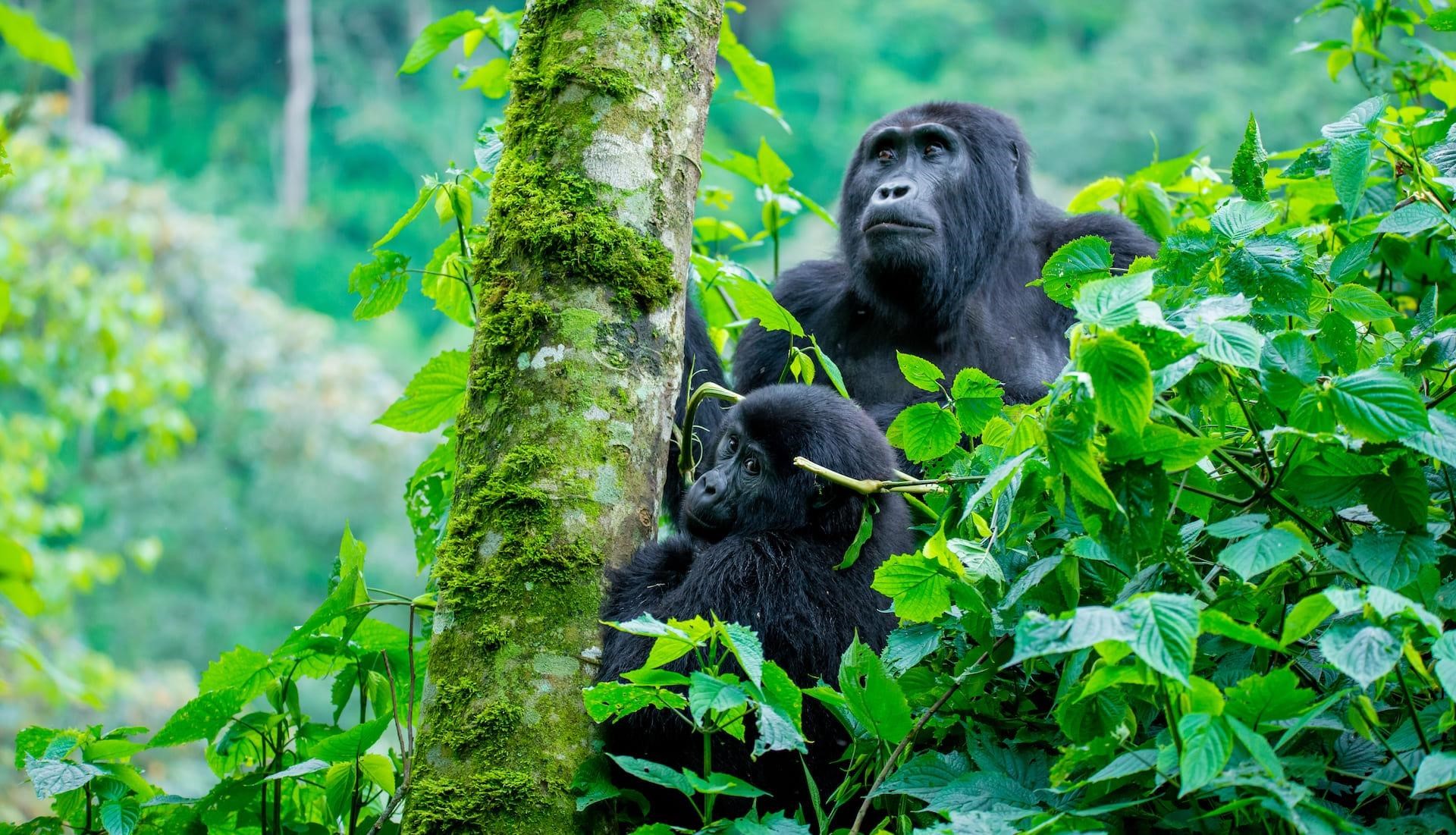
Bwindi Impenetrable National Park is internationally known for mountain gorilla trekking, but the wider region offers travelers opportunities to learn about local food, crafts, history, livelihoods and community life.
Adding a cultural experience to your Bwindi itinerary can provide a different perspective on southwestern Uganda. Beyond the forest, you can discover how people farm the surrounding hills, prepare regional dishes, make crafts, share local knowledge and build livelihoods connected to the landscape.
Depending on your location and the programs available, you may be able to join a locally guided community walk, learn about traditional food preparation, visit an artisan, experience a community-led heritage activity, or meet local hosts who choose to share aspects of their lives and history.
The most meaningful experiences are those organized with local hosts and shaped by their preferences. Not every activity is available in every part of Bwindi, and cultural traditions should never be treated as identical across the region.
This guide explains what to do beyond gorilla trekking, where to look for cultural activities, how to plan your time, and how to choose responsible experiences that respect local communities.
Image suggestion: Feature the landscapes and community life of southwestern Uganda. Suggested alt text: “Green hills and rural community landscapes around Bwindi Impenetrable National Park in Uganda.”
At a Glance: Cultural Experiences Around Bwindi
| Experience | What you may learn | Best suited to |
| Community-guided walk | Local livelihoods, landscapes and daily life | Most travelers |
| Local food experience | Ingredients, cooking and regional dishes | Food enthusiasts |
| Craft demonstration | Artisan skills and locally made products | Travelers interested in arts and crafts |
| Batwa-led cultural or heritage experience | Batwa history and heritage, as shared by community hosts | Travelers interested in Indigenous heritage |
| Farming experience | Crops, gardening and agricultural practices | Curious travelers and families |
| Local storytelling | Community history and personal experiences | Travelers who enjoy conversation |
| Market visit | Produce, trading and everyday commerce | Travelers with time in nearby towns |
| Music or dance experience | Selected musical and performance traditions | Travelers interested in the arts |
| Scenic nature walk | Local landscapes and the relationship between people and place | Nature and culture enthusiasts |
These activities are possibilities, not guaranteed inclusions. Availability depends on the location, host preferences, season and arrangements made before your visit.
- Why Explore Cultural Experiences Beyond Gorilla Trekking?
Gorilla trekking is often the main reason travelers visit Bwindi. However, the wider region has a human story as well as a natural one.
Communities around the forest have diverse histories, livelihoods, languages and relationships with the surrounding landscape.
A cultural experience can help you learn about these connections while providing opportunities to support local guides, artisans, hosts and businesses.
You might discover how people grow food on steep hillsides, prepare dishes from locally available ingredients, make crafts, or organize small businesses.
You may also learn how tourism interacts with conservation, employment and community development.
What Makes a Cultural Experience Valuable?
A good cultural experience gives local people room to explain their own lives and perspectives.
It should encourage conversation rather than rely on stereotypes or assumptions.
It should also respect privacy. Residents should not be expected to interrupt their work, invite strangers into their homes, or perform personal traditions simply because visitors have arrived.
The goal is to learn from people who choose to share their knowledge—not to treat a community as an attraction.
- Visit a Community Near Bwindi
One option is to arrange a locally guided visit in a community near your accommodation or trekking sector.
The specific experience will depend on the community and the host organization. It might involve a walk through agreed public areas, an introduction to local livelihoods, conversations about farming, or a visit to a community enterprise.
You may learn about:
- Local food production
- Household gardens
- Small businesses
- Craft-making
- Community tourism
- Daily routines
- Local history
- The relationship between tourism and livelihoods
A community visit does not automatically include entry into private homes or participation in household activities. These should only happen when the relevant people explicitly invite visitors.
How to Choose a Community Visit
Before booking, ask:
- Who organizes the experience?
- Who will guide the visit?
- Which activities are included?
- How long does it last?
- How are fees distributed?
- Are photography and filming allowed?
- Does the experience involve walking on steep or muddy paths?
- Can the program accommodate your mobility or dietary needs?
- Learn About Batwa Heritage Through Community-Led Experiences
-
community guided walk
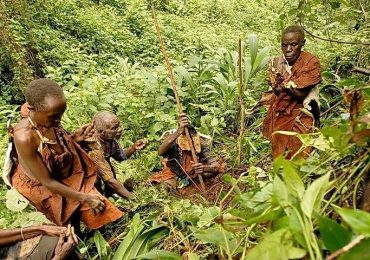
The Batwa are Indigenous people with distinct histories and forest-related heritage in the Great Lakes region.
For travelers visiting Bwindi, a Batwa-led cultural or heritage experience may provide an opportunity to learn about aspects of Batwa history, knowledge and experiences that participating community members choose to share.
Some programs may discuss forest heritage, traditional skills, historical relationships with the forest, or the changes experienced by Batwa communities following conservation and land-use changes.
However, experiences differ, and visitors should not assume that every program includes the same stories, demonstrations or activities.
Why Responsible Engagement Matters
Batwa communities have their own priorities, perspectives and contemporary lives. Their identities should not be reduced to a single historical narrative or presented as though all Batwa people live in the same way.
When choosing an experience, look for one that is led by or developed with the relevant Batwa community.
Ask who organizes the program, how hosts are compensated, and what visitors may photograph or record.
Respect any restrictions on sensitive knowledge, private traditions or personal stories.
- Discover Local Food Around Bwindi
Food is a practical and enjoyable way to learn about regional life.
Depending on the host, you may be able to learn about local ingredients, visit a food market, watch a cooking demonstration, or share a meal arranged as part of a community experience.
Food traditions in southwestern Uganda vary between households and communities. Dishes and ingredients also change according to season, availability and personal preference.
Possible ingredients and dishes you may encounter include:
- Matoke
- Beans
- Groundnuts
- Cassava
- Sweet potatoes
- Maize
- Seasonal vegetables
- Locally available fruits
The precise menu depends on the host and the program. Do not assume that every dish is available at every visit.
Can You Join a Cooking Demonstration?
Sometimes.
If a host offers a cooking activity, you may be able to observe or help with a simple task.
Follow the host’s instructions, particularly when handling knives, fires, cooking equipment or unfamiliar ingredients.
If food is part of the experience, communicate any allergies, dietary restrictions or medical needs before arrival.
You should never feel pressured to eat something that may be unsafe for you. At the same time, approach unfamiliar food respectfully rather than treating it as unusual or inferior.
- Meet Local Artisans and Discover Crafts

Craft-making can provide insight into local skills, creativity and livelihoods.
Depending on the community and available programs, you may find opportunities to meet artisans, watch a demonstration, ask about materials, or purchase locally made products.
Crafts vary, but some experiences may involve weaving, basketry, beadwork, textiles, carving or other forms of handmade work.
Do not assume that every item is produced in the immediate area or that all artisans use the same techniques.
Buying Crafts Responsibly
If you would like to purchase something, ask whether the item is for sale and agree on the price before completing the transaction.
Where possible, buying directly from the maker can help support their work.
Consider asking about:
- The materials used
- How the item is made
- Whether it is locally produced
- How long it takes to create
- How best to care for it
Avoid pressuring artisans to lower their prices simply because you are a visitor. Fair payment recognizes the time, skill and materials involved.
- Learn About Farming and Everyday Livelihoods
The hills around Bwindi support a variety of rural livelihoods.
Depending on the area and the season, a local guide or host may be able to explain how households grow crops, maintain gardens, care for livestock or manage small businesses.
You might learn about crops such as bananas, beans, potatoes, cassava, maize or other locally important plants.
The exact crops and farming methods depend on location, climate, elevation, soil and household preferences.
Can You Participate in Farming?
Only if an appropriate activity has been arranged and the host invites you to take part.
Farming involves practical skills, tools and responsibilities. Do not pick crops, handle equipment or enter cultivated areas without permission.
A demonstration or conversation may be more suitable than participating directly in agricultural work.
For travelers interested in rural livelihoods, this kind of experience can provide a useful perspective on food production and daily life in southwestern Uganda.
- Experience Local Music, Dance and Storytelling
Some community programs offer music, dance or storytelling experiences.
These activities may introduce visitors to selected artistic traditions, historical narratives or forms of community expression.
However, not every community visit includes a performance, and not every cultural practice is appropriate to present for tourism.
If a performance is offered, ask whether visitors may photograph it or participate.
Respect the People Sharing Their Culture
Music and dance should not be treated as something hosts must provide on demand.
If the activity is scheduled as part of a cultural program, follow the organizer’s instructions and respect any boundaries around participation or recording.
If you are invited to join a dance or another activity, participate only if you feel comfortable and follow your host’s guidance.
You can also enjoy the experience by watching and listening.
- Explore Local Markets and Nearby Towns
Depending on where you stay, a market or nearby town may provide an opportunity to learn about regional produce, small businesses and everyday commerce.
A market visit may introduce you to fruits, vegetables, household goods, prepared foods and other products sold locally.
Markets are working spaces, not simply tourist attractions. Keep pathways clear, ask before taking photographs and avoid interrupting sellers during busy periods.
What Can You Learn at a Market?
A knowledgeable local guide may explain:
- Which products are grown locally
- How seasonal produce changes
- What ingredients are used in regional cooking
- How goods are transported and sold
- Which products are commonly purchased by households
If you buy something, agree on the price and handle the transaction respectfully.
Not every market is open or equally active every day, so confirm timing and transport arrangements before planning a visit.
- Take a Scenic Walk and Learn About the Landscape
The area around Bwindi is known for its green hills, cultivated slopes and forest landscapes.
A suitable guided walk can offer opportunities to enjoy the scenery while learning about local land use and the relationship between communities and the surrounding environment.
Depending on the route, a walk may include village paths, viewpoints, gardens or other areas approved for visitors.
The walking conditions can vary considerably.
Some paths are steep, muddy or uneven, particularly after rain. Ask about the route length, elevation changes and expected conditions before setting out.
How to Prepare
Consider bringing:
- Comfortable walking shoes
- A light rain jacket
- Drinking water
- Sun protection
- Personal medication
- A small day bag
Follow the guide’s route and ask before entering private property or cultivated areas.
If you are planning to trek gorillas as well, avoid adding a strenuous walk that leaves you exhausted before your main activity.
- Cultural Experiences in Buhoma, Ruhija, Rushaga and Nkuringo
Bwindi has several gorilla trekking sectors, including Buhoma, Ruhija, Rushaga and Nkuringo.
The cultural experiences available to you may depend on where you stay and how your transport is arranged.
These areas are geographically separated, so it is important not to assume that an activity offered near one sector will be convenient from another.
Buhoma
Travelers staying around Buhoma can ask about locally organized community experiences, crafts, food activities or guided walks in the wider area.
Confirm the exact location and transport requirements before booking.
Ruhija
Ruhija is known for its forest setting and birdwatching opportunities. Depending on the available programs, travelers may be able to arrange cultural experiences that complement their nature activities.
Ask your accommodation or tour operator about options suitable for your dates.
Rushaga
Travelers staying near Rushaga can ask about local hosts, food experiences, crafts or community activities that fit their itinerary.
The specific program and distance from the lodge should be confirmed.
Nkuringo
Nkuringo is known for its mountain scenery. Depending on local arrangements, travelers may be able to combine scenic walks with community or cultural experiences.
Terrain and road access should be considered when planning.
Important: These are planning suggestions, not a guarantee that a particular activity operates in every sector. Confirm the host, location, duration and availability before making plans.
- How to Combine Cultural Activities With Gorilla Trekking
A cultural experience can complement gorilla trekking, but it should not make the trekking day unnecessarily rushed.
Gorilla trekking can involve steep terrain, mud and several hours of walking. Your energy levels and the timing of the activity should influence what else you schedule.
A Practical Two-Night Arrangement
Day 1: Arrive Near Bwindi
Travel to your accommodation and rest. If time allows, consider a short, suitable cultural activity arranged in advance.
Day 2: Gorilla Trekking
Focus on your confirmed trek. Follow park instructions and allow time to rest afterward.
Day 3: Cultural Experience and Departure
If the program is available and fits your route, arrange a community visit, food experience or craft activity before continuing your journey.
This structure is only an example. The best schedule depends on the trekking sector, transport arrangements and available local programs.
- Sample Three-Day Bwindi Cultural and Nature Itinerary
This illustrative itinerary combines gorilla trekking with cultural learning and time to enjoy the surroundings.
Day 1 — Arrive in the Bwindi Region
Travel to accommodation near your assigned trekking sector.
Depending on your arrival time, you may have an opportunity for a short nature walk or a locally arranged cultural activity.
Day 2 — Gorilla Trekking
Participate in your confirmed gorilla trek.
Keep the remainder of the day flexible so you can rest and enjoy the lodge or surrounding landscape.
Day 3 — Local Cultural Experience and Departure
If available, join a locally led community experience, learn about regional food or visit an artisan.
Continue to your next destination according to your transport schedule.
For a more relaxed trip, add another night rather than squeezing cultural activities into a tight departure schedule.
- How Much Do Cultural Experiences Around Bwindi Cost?
There is no single price for cultural activities around Bwindi.
Costs depend on the host, duration, transport, group size and activities included.
A short guided walk may have a different cost structure from a longer program involving several hosts, food preparation or a craft demonstration.
Before booking, ask:
- What is included in the fee?
- Is transport included?
- Are food or refreshments included?
- Are local guides or hosts paid directly or through an organization?
- Are there separate activity or entry fees?
- Is the activity private or shared?
- What happens if weather or other circumstances affect the program?
A transparent quotation makes it easier to understand the value of the experience and the contribution being made to local livelihoods.
Cultural activities should not be confused with the gorilla permit, which is a separate part of the safari budget unless explicitly included in a package.
- Responsible Cultural Tourism Around Bwindi
Responsible tourism means respecting the rights, preferences and privacy of the people who welcome visitors.
It also means recognizing that local communities are diverse and that their traditions and priorities can change over time.
Choose Locally Led Experiences
Ask who organizes the activity and who decides what is shared with visitors.
Pay Fairly and Transparently
Understand the fee and how payments are distributed. Hosts, guides and artisans should be compensated according to the agreed arrangement.
Ask Before Photographing People
Obtain permission before taking photographs or videos. If you intend to use images for marketing or other commercial purposes, explain this clearly and obtain appropriate consent.
Respect Homes and Private Spaces
Do not enter homes, gardens or other private areas without an invitation.
Avoid Stereotypes
Do not assume that one person speaks for an entire community or that everyone follows the same traditions.
Respect Cultural Boundaries
Some stories, ceremonies, places and practices are private or sensitive. Do not pressure people to share information or provide access.
Avoid Promises You Cannot Keep
If you want to support a local project, ask about established ways to contribute rather than promising future donations or assistance.
- Photography Etiquette Around Bwindi Communities
The landscapes around Bwindi can be beautiful, and cultural experiences may offer opportunities for photography.
However, a person is not automatically a photographic subject simply because you are visiting their community.
Before taking a photograph:
- Ask the person directly or through your guide.
- Explain if you want to record video.
- Respect a refusal without argument.
- Ask before photographing inside homes or at cultural sites.
- Obtain appropriate permission before commercial publication.
- Follow any restrictions established by the host or organizer.
For children, obtain permission from a responsible adult and respect the child’s comfort as well.
Avoid asking people to repeat ordinary activities simply to create a photograph. The visit should respect their time and choices.
- What Should You Wear for Cultural Activities Around Bwindi?
Comfortable, weather-appropriate clothing is usually suitable.
Consider:
- Walking shoes with good grip
- Long trousers if you will walk through vegetation
- A breathable shirt
- A light rain jacket
- A warm layer for cool conditions
- A hat
- A small day bag
If your activity takes place at a religious or culturally significant site, ask whether specific clothing expectations apply.
Bwindi’s terrain can be wet and uneven, so practical footwear matters more than dressing for photographs.
If you are also gorilla trekking, follow the clothing and equipment guidance provided for the trek.
- Can Families Enjoy Cultural Experiences Around Bwindi?
Many cultural activities can be suitable for families, depending on the content, walking conditions and children’s interests.
Possible options include a craft demonstration, a food experience, a guided walk or a conversation with a local host.
Before booking, ask about:
- Walking distance
- Uneven or muddy paths
- Activity duration
- Seating and toilet access
- Age suitability
- Food ingredients
- Photography rules
Teach children to ask before touching objects, entering private spaces or taking photographs.
Do not assume children from the host community are available to play with or entertain visiting families.
- Common Mistakes to Avoid
Assuming Every Activity Is Available
Cultural programs vary by location and host. Confirm the details before traveling.
Booking an Activity Far From Your Lodge
Bwindi’s sectors are separated by significant distances. Check actual travel times, not just the name of the general area.
Overloading the Gorilla Trekking Day
Leave time for the trek and recovery.
Treating Cultural Experiences as Performances on Demand
Hosts should decide what they wish to share.
Taking Photographs Without Permission
Always ask first and respect refusals.
Assuming a Community Is Culturally Uniform
People have different experiences, beliefs and preferences.
Ignoring Payment Arrangements
Understand what you are paying for and how local participants are compensated.
Expecting Guaranteed Access to Private Places
A home, ceremony or sacred site should only be visited when the relevant people have agreed.
- How Ikumi Gorilla Vacations Can Help
Ikumi Gorilla Vacations can help you plan a Bwindi itinerary that combines gorilla trekking with cultural or community experiences where suitable programs are available.
Your trip can be planned around:
- Your gorilla trekking date and sector
- Accommodation location
- Transport and road conditions
- Available cultural activities
- Food and craft interests
- Walking preferences
- Your arrival and departure schedule
- Your overall safari route
The aim is to avoid unnecessary travel and create a balanced experience.
If cultural activities are important to you, mention them when planning your trip so the relevant hosts and arrangements can be considered in advance.
Share your travel dates, number of travelers, accommodation preference and interests, and we can help you explore options for combining Bwindi’s gorilla trekking experience with responsible cultural tourism.
Frequently Asked Questions
What cultural experiences can I enjoy around Bwindi?
Depending on the location and host arrangements, options may include community walks, local food experiences, craft demonstrations, farming-related activities, storytelling or Batwa-led cultural and heritage experiences.
Can I visit a village near Bwindi after gorilla trekking?
Potentially, yes. The visit should be arranged with local hosts, and its timing should fit your trekking schedule, accommodation and transport.
Are Batwa cultural experiences available near Bwindi?
Batwa-led cultural or heritage programs may be available, depending on local arrangements. Confirm the specific program and ensure that it is organized with the relevant community.
How many days should I spend around Bwindi?
Many travelers allow time to arrive before gorilla trekking and continue their journey afterward. Adding another night can provide more flexibility for cultural activities, rest or other nature experiences.
Can I combine gorilla trekking with a community walk?
Yes, where a suitable local program is available. It is often more comfortable to schedule the community activity on a separate day rather than immediately after a demanding trek.
Can I buy crafts near Bwindi?
You may find locally made crafts through artisans, community initiatives or other sellers. Ask about the product, agree on the price and purchase voluntarily.
Can I photograph local residents?
Ask permission before photographing people or private spaces. For commercial use, obtain appropriate consent for the intended publication.
Are cultural activities included in a gorilla trekking permit?
No. Cultural activities and gorilla permits are separate components unless a safari package explicitly includes both.
Are community experiences available in every Bwindi sector?
Not necessarily. Availability depends on the host, location, date and program. Confirm the arrangements for your specific sector and accommodation.
How can cultural tourism support local communities?
It can create income for local guides, hosts, artisans and businesses. The benefits depend on how the activity is organized and how payments are distributed.
What is the most important rule for cultural visits around Bwindi?
Respect the people who welcome you. Ask permission, listen carefully, protect privacy and follow the guidance of your local host.
Final Thoughts
Bwindi is best known for mountain gorilla trekking, but the wider region offers opportunities to learn about local food, crafts, farming, heritage and community life.
Adding a cultural experience can make your trip more varied while helping you understand the people and livelihoods connected to the landscape.
The best approach is to choose a locally arranged activity, confirm the details before booking, and allow enough time to enjoy it without rushing.
Whether you are interested in food, crafts, farming, community history or Batwa-led heritage experiences, prioritize programs that respect local preferences and compensate participants transparently.
A memorable Bwindi safari can include both an extraordinary wildlife encounter and a thoughtful opportunity to learn from the people who choose to share their stories.