
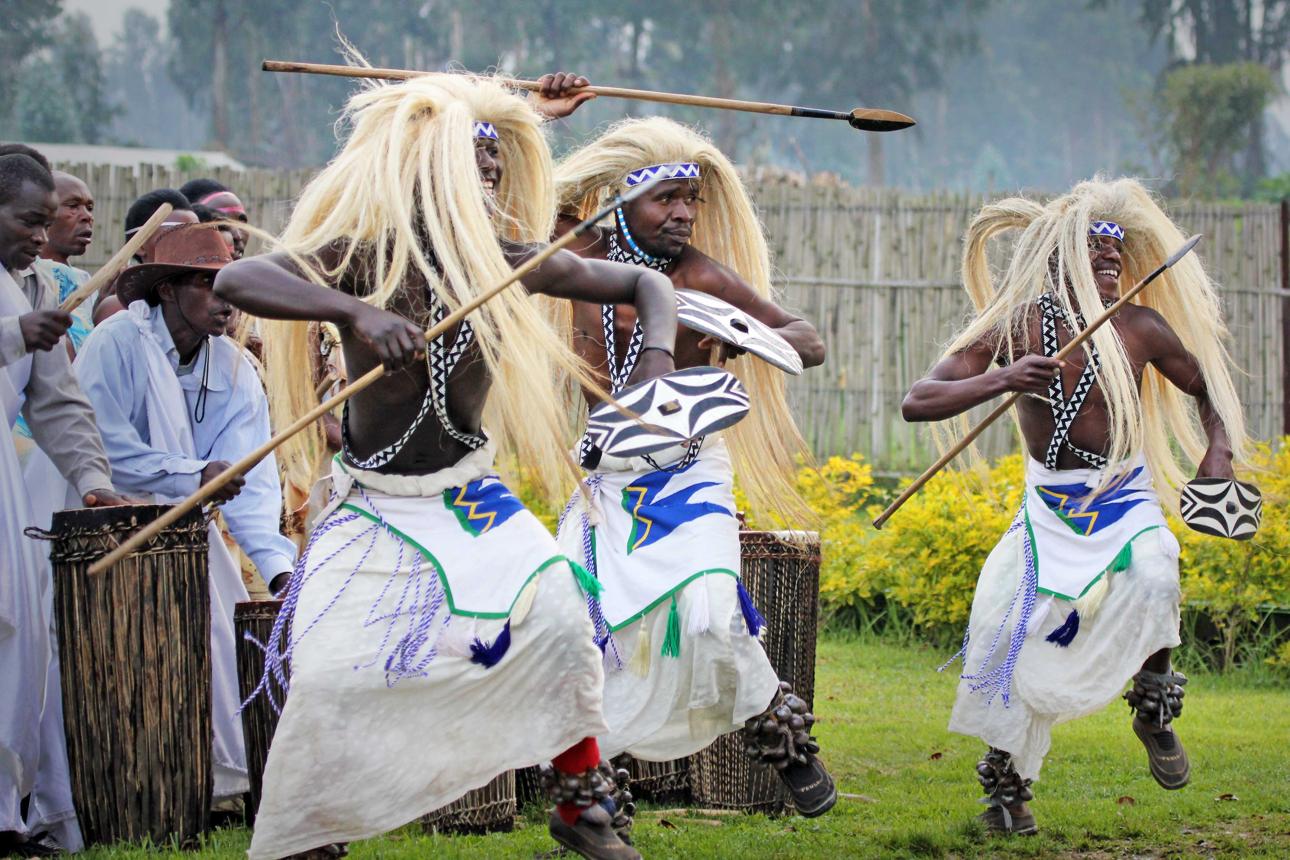
Cultural Experiences in Mgahinga and Kisoro: Communities, Traditions and Landscapes
Cultural Experiences in Mgahinga and Kisoro: Communities, Traditions and Landscapes
Mgahinga Gorilla National Park and the surrounding Kisoro region are known for their mountain gorillas, golden monkeys, volcanic landscapes and opportunities for hiking. But there is another side to this part of southwestern Uganda: its communities, food, farming traditions, local markets and cultural heritage.
Adding cultural experiences to a visit can help you understand the landscapes beyond the national park boundaries. You may learn about local livelihoods, explore a market with a guide, enjoy a meal prepared by local hosts, meet craftspeople or participate in a community-led heritage experience.
The most rewarding experiences are those arranged respectfully, with local people deciding what they wish to share and receiving fair value for their time and knowledge.
For travelers visiting Mgahinga Gorilla National Park, cultural activities can complement gorilla trekking, golden monkey tracking and volcano hiking. They can also give you a deeper appreciation of Kisoro and the surrounding mountain communities.
This guide explores the cultural experiences travelers may be able to enjoy around Mgahinga and Kisoro, how to arrange them, what to expect and how to participate responsibly.
Suggested image alt text: Cultural experiences and mountain communities around Mgahinga and Kisoro in southwestern Uganda.
At a Glance: Cultural Experiences Around Mgahinga and Kisoro
| Experience | What you may learn or enjoy | Best suited to |
| Guided community visit | Local livelihoods, daily life and regional history | Curious travelers |
| Kisoro town visit | Markets, shops, food and local commerce | Independent explorers and safari travelers |
| Batwa-led heritage experience | Batwa history, knowledge and perspectives, where offered | Travelers interested in Indigenous heritage |
| Local food experience | Ingredients, cooking methods and regional tastes | Food lovers |
| Farming visit | Crops, gardening and rural livelihoods | Travelers interested in agriculture |
| Craft shopping | Locally made goods and artisan skills | Responsible shoppers |
| Cultural storytelling | Local history and knowledge shared by hosts | Families and cultural travelers |
| Guided nature and landscape walk | Connections between people, land and livelihoods | Hikers and nature lovers |
| Community music or dance | Performance and cultural expression, when arranged | Groups and cultural travelers |
Important: These are possible experiences, not a guarantee that every activity operates daily. Availability, access, cost, hosts and program arrangements should be confirmed before your visit.
- Discover Kisoro Beyond Its Role as a Safari Gateway
Kisoro is an important town in southwestern Uganda. It serves as a practical base for travelers visiting Mgahinga and parts of the wider Virunga landscape.
The town is also a place of everyday commerce and community life. Markets, shops, food businesses, transport services and small enterprises connect rural communities with the wider region.
A guided visit can help travelers see Kisoro as more than a place to spend the night before a trek.
Depending on the day and the activities available, you may be able to explore:
- Local produce and food stalls
- Small shops and businesses
- Everyday markets
- Local eateries
- Craft sellers
- Community gathering places that welcome visitors
- Views of the surrounding hills and volcanic landscape
A town visit does not need to be a formal cultural show. Sometimes, a walk with a knowledgeable local guide and an opportunity to ask respectful questions provide a more natural introduction to the area.
How to Visit Kisoro Respectfully
Remember that Kisoro is a working town, not a staged attraction.
Buy from local businesses when appropriate, ask before photographing people, and avoid treating everyday activities as performances for tourists.
If you would like a guided introduction, ask your safari operator whether a locally led town walk can be arranged.
- Join a Community-Led Visit Near Mgahinga
A community-led visit can introduce you to aspects of local life that are difficult to understand from a vehicle window.
Depending on the host community and the program, a visit may include conversation about farming, household livelihoods, food preparation, crafts, local history or changes in life around the protected area.
Some visits may involve walking through a settlement or agricultural landscape. Others may focus on one particular activity or family business.
Possible topics include:
- How people use and manage farmland
- Crops grown in the surrounding highlands
- Local food and cooking practices
- Small businesses and household livelihoods
- Community initiatives connected with tourism
- Changes in transport, education and access to services
- How communities experience living near a national park
The experience will depend on the people hosting you. No single visit can represent everyone in Kisoro or the surrounding communities.
What Should You Ask Your Guide?
Thoughtful questions can make the experience more meaningful.
For example:
- What crops are commonly grown in this area?
- How does the mountain environment influence farming?
- What kinds of work support local households?
- Has tourism created new opportunities for the community?
- What local products are made or sold here?
- What would you like visitors to understand about this area?
Let your hosts decide which topics they are comfortable discussing.
Why Community-Led Tourism Matters
When visits are arranged transparently and fairly, community tourism can create opportunities for local guides, hosts, artisans and small businesses.
Before booking, ask who organizes the activity, who receives payment and whether the visit is welcomed by the people involved.
- Learn About Batwa Heritage Through Community-Led Experiences
The Batwa are Indigenous people with a distinct history and cultural identity in the forests of the Great Lakes region, including areas of southwestern Uganda.
Batwa communities have deep historical connections with forest environments. Their experiences, knowledge and contemporary lives are important parts of the wider story of conservation and land use around protected forests.
Where a Batwa-led cultural or heritage experience is available near Mgahinga, it can provide an opportunity to learn directly from participating community members.
Depending on the specific program, hosts may choose to share aspects of:
- Historical relationships with forest environments
- Traditional knowledge and skills
- Oral histories and community memories
- Changes associated with conservation and displacement
- Contemporary community priorities
- Cultural expression and heritage preservation
The content should be determined by the people leading the experience rather than by assumptions about what visitors expect to see.
Suggested image caption: A community-led heritage experience near Mgahinga, photographed and published with the participants’ informed permission.
Suggested image alt text: Community-led Batwa heritage experience near Mgahinga in southwestern Uganda.
Approach Batwa Heritage With Respect
Batwa people should not be presented only through their historical relationship with the forest or as a culture frozen in the past.
Batwa communities are diverse, contemporary communities whose members have their own priorities, livelihoods, identities and perspectives.
When arranging a heritage experience:
- Choose a program led by or meaningfully controlled by participating community members.
- Ask how fees support the people delivering the experience.
- Listen without demanding personal or painful stories.
- Ask before taking photographs or recording conversations.
- Respect any limits on what hosts wish to share.
- Avoid describing one experience as representative of all Batwa people.
A responsible visit should respect the agency of the hosts and recognize that cultural knowledge is shared by choice, not owed to visitors.
Is a Batwa Cultural Experience Guaranteed?
No. The availability, format and location of such experiences can change.
Ask your operator to confirm whether a community-led program is currently operating, who leads it and what it includes before adding it to your itinerary.
- Explore Local Food and Cooking Traditions
Food is one of the most approachable ways to learn about a region.
Around Kisoro and Mgahinga, ingredients and dishes reflect local agriculture, household preferences, access to markets and wider Ugandan food traditions. Meals can vary from one household or establishment to another.
Depending on the host and the season, a food experience may introduce you to ingredients such as:
- Potatoes
- Beans
- Bananas and plantains
- Cassava
- Sweet potatoes
- Vegetables
- Maize
- Sorghum and other locally used grains
These are examples of ingredients that may be encountered, not a fixed menu for the entire region.
A local meal might be enjoyed at a small restaurant, lodge, community tourism program or through a cooking experience arranged with a willing host.
What Can You Learn From a Cooking Experience?
If a suitable experience is available, you may be able to learn about:
- How ingredients are selected
- Seasonal food availability
- Traditional and contemporary cooking methods
- How meals are prepared for family or community gatherings
- The relationship between farming and household food
- Differences between home cooking and restaurant meals
Some hosts may welcome visitors to participate in preparation, while others may prefer to demonstrate or explain. Follow the host’s preferred format.
Ask About Dietary Requirements in Advance
If you are vegetarian, vegan, gluten-sensitive or allergic to particular foods, explain your requirements before the experience.
Do not assume that every dish is prepared in the same way or that ingredients can always be substituted.
- Learn About Farming and Rural Livelihoods
The highlands around Kisoro form part of a landscape where agriculture is important to many households.
Farming practices vary with altitude, soil, weather, land access, market conditions and individual household choices. A guided visit may help explain how people work with the local environment.
Depending on the farm and season, you may learn about:
- Crop selection
- Planting and harvesting cycles
- Household gardens
- Soil and water management
- Food crops and market crops
- Storage and food preparation
- How farmers sell produce
- The relationship between farming and tourism
A visit might involve a walk around a farm, conversation with a farmer or an explanation of a particular crop.
Why Seasonal Timing Matters
Farms do not look the same throughout the year.
Some crops may be newly planted, others growing, and others ready for harvest. A farm visit arranged during one season may therefore differ significantly from a visit during another.
Ask your guide what is happening locally when you plan to travel.
Respect Private Land
Do not walk onto farmland without permission, pick crops or photograph people at work without asking.
A farmer’s land is a workplace and livelihood, not an open tourist attraction.
- Support Local Craftspeople and Small Businesses
Crafts and locally made goods can be meaningful souvenirs because they connect your purchase with the people who make and sell them.
Depending on what is available locally, you may find items such as:
- Woven products
- Baskets
- Handmade accessories
- Decorative objects
- Textiles
- Woodcraft
- Other locally produced goods
The exact selection varies, and not every item sold in the region is necessarily made locally.
How to Shop Responsibly
When buying crafts:
- Ask whether the item was made locally.
- Learn about the materials and production process if the seller wishes to explain.
- Pay the agreed price respectfully.
- Consider buying directly from the maker when practical.
- Ask before photographing the craftsperson or their workspace.
- Avoid buying products made from protected wildlife or other restricted materials.
A purchase can support local livelihoods, but only if the transaction is fair and the origin of the product is understood.
Can You Watch an Artisan at Work?
Possibly, if a craftsperson welcomes visitors and has time to demonstrate their work.
Do not expect artisans to stop their work or provide an explanation without agreement. If a demonstration is offered, ask whether a fee applies and how long it will take.
- Experience Local Music, Dance and Storytelling When Offered
Music, dance and storytelling are important forms of cultural expression in many Ugandan communities. Their styles, meanings and settings vary across regions and groups.
Around Kisoro, visitors may occasionally be able to attend a community-organized performance or storytelling activity through a lodge, guide or tourism initiative.
Availability should be confirmed rather than assumed.
A performance may be prepared specifically for visitors, form part of a community event or take place within another suitable context. These situations are not interchangeable.
What Makes a Good Cultural Performance?
A respectful performance should be arranged with the participating performers, clearly explained and fairly paid.
If a community program includes storytelling, ask your guide to explain the context without assuming that one story or performance represents the entire region.
Respect the Setting
Follow the host’s instructions about participation, recording and photography.
Some performances welcome audience participation; others may be intended for observation. Private ceremonies and sacred activities should not be treated as tourist entertainment.
If no suitable performance is available during your visit, do not pressure a community to arrange one.
- Understand the Region Through Its Languages and Everyday Conversations
Southwestern Uganda is linguistically diverse. The languages people use depend on their community, family, work, education and the setting in which they are speaking.
English and other widely used languages may be helpful in tourism settings, but it is best not to assume that everyone in the area speaks the same language.
Your guide can explain which languages are commonly used in the places you visit and help you learn an appropriate greeting if you wish.
A Few Good Communication Habits
- Greet people politely.
- Speak clearly without shouting.
- Ask your guide for help if you do not understand.
- Do not assume that someone is available to talk simply because they are nearby.
- Avoid imitating unfamiliar words for amusement.
- Ask before recording a conversation.
Learning even a small, locally appropriate greeting can be a pleasant gesture, provided you use it respectfully.
- Discover the Cultural Landscape Around the Virunga Mountains
Mgahinga is part of the Virunga volcanic landscape, with steep slopes, cultivated land, settlements and forested mountain environments.
The scenery is more than a backdrop for photography. It shapes transport, farming, settlement patterns and the practical challenges of daily life.
A guided landscape walk may help you understand:
- How elevation influences local weather
- Why mountain roads can be winding
- How farms fit into the landscape
- How settlements connect with nearby towns
- Why the protected area is important for wildlife
- How conservation and local livelihoods intersect
The details depend on the route and guide, but this kind of experience can help connect the natural and cultural sides of your visit.
Suggested image caption: The volcanic mountains and cultivated highlands surrounding Mgahinga and Kisoro.
Suggested image alt text: Virunga volcanic mountains and rural agricultural landscape near Mgahinga Gorilla National Park.
Choose Walks That Suit Your Ability
Some community walks take place on uneven ground, steep paths or muddy tracks. Weather can change quickly in mountain environments.
Before joining a walk, ask about:
- Distance
- Elevation changes
- Surface conditions
- Expected duration
- Footwear requirements
- Rain and weather arrangements
- Whether breaks are available
You do not need to choose a strenuous hike to enjoy the cultural landscape. A short, locally guided walk may be enough.
- Combine Cultural Experiences With Gorilla Trekking
Many visitors come to Mgahinga primarily for mountain gorillas.
A cultural activity can provide a valuable contrast to the trek, helping you learn about the wider region rather than experiencing only the protected forest.
A balanced trip could include:
- Arrival and rest
- Gorilla trekking
- A community-led visit
- A local food experience
- Time in Kisoro
- Departure or onward travel
The exact sequence depends on your permit date, activity availability, weather and accommodation location.
Why Not Schedule Everything on One Day?
Gorilla trekking can be physically demanding and may take several hours, depending on the movements of the gorilla family and the terrain.
It is often more comfortable to schedule a separate cultural activity rather than immediately rushing from the trek into a long program.
If you finish early and feel comfortable, you can ask whether a short activity is possible. Keep the plan flexible.
- Add Golden Monkey Tracking or Volcano Hiking
Mgahinga offers more than gorilla trekking. Depending on current park arrangements, travelers may also be able to book golden monkey tracking and guided volcano hikes.
These are nature-based activities rather than cultural experiences, but they can work well alongside a community visit.
Golden Monkey Tracking
Golden monkey tracking offers a different primate experience from gorilla trekking. It is an opportunity to learn about another species in the wider mountain forest environment.
Volcano Hiking
Mgahinga’s volcanic landscape attracts hikers interested in the Virunga mountains.
A volcano hike can be physically demanding, so consider your fitness, the planned route and the time needed to recover.
Avoid packing too many strenuous activities into consecutive days simply to maximize your itinerary.
Build a Balanced Trip
A good combination might be:
Gorilla trekking + cultural visit + golden monkey tracking
or:
Gorilla trekking + a shorter community walk + rest
The right option depends on your interests and the number of days you have available.
- Where Should You Stay for Cultural Experiences?
Your accommodation can influence which experiences are practical.
Staying near Kisoro may make town visits and certain community activities easier. A lodge closer to the park may be convenient for trekking and nature-based activities.
The best choice depends on the location of your gorilla permit, the activities you want to arrange and your wider route.
When choosing accommodation, ask:
- Can the property arrange community-led activities?
- Who leads the experience?
- How far away is the activity?
- Is transport included?
- Is the activity available on my travel dates?
- How are local hosts paid?
- Are meals included?
- Can dietary requirements be accommodated?
Do not assume that a lodge offers a particular cultural program simply because it is located near Mgahinga.
Confirm the arrangements before booking.
- A Sample Four-Day Mgahinga Cultural and Wildlife Itinerary
The following is an example of how you might combine culture, nature and time to rest. It is not a fixed package, and activities depend on current availability.
Day 1: Arrive in the Kisoro Area
Travel to Kisoro or your chosen accommodation.
After checking in, rest and confirm the next day’s arrangements. If time allows, ask whether a short town visit or local meal experience can be organized.
Overnight: Kisoro or accommodation convenient for your itinerary.
Day 2: Gorilla Trekking
Take part in your scheduled gorilla trekking experience.
Follow ranger instructions and allow the day to unfold at its own pace. After returning, rest and enjoy dinner at your accommodation.
Avoid committing to a demanding evening activity.
Overnight: Near your trekking area.
Day 3: Community Visit and Local Food
If available, join a community-led visit arranged with local hosts.
Depending on the program, you may learn about farming, crafts, local history or household food practices. You could also visit Kisoro town or enjoy a locally prepared meal.
Overnight: Kisoro area.
Day 4: Golden Monkeys, a Short Walk or Departure
Depending on your interests and available time, choose an additional activity such as golden monkey tracking, a suitable guided walk or a relaxed departure.
If you choose a demanding activity, confirm its duration and transport logistics before booking.
This itinerary can be extended if you want to add volcano hiking or combine Mgahinga with other parts of Uganda.
- Responsible Cultural Tourism Around Mgahinga
Cultural tourism is most valuable when it respects the people who make it possible.
Travelers should remember that local communities have their own priorities, work schedules, privacy and preferences.
A visit should be arranged with consent rather than imposed on people who happen to live near a tourist destination.
Ask Before Taking Photographs
Always ask before photographing an identifiable person.
A person agreeing to be photographed does not automatically mean they have agreed to have the image published online or used in marketing.
If you intend to use photographs commercially, explain the intended use and obtain appropriate permission.
Pay Fairly
Ask about the price of a guided visit, performance, craft or cooking activity before it begins.
Pay the agreed amount, and avoid pressuring hosts to provide additional time or services without compensation.
Do Not Enter Private Spaces Without Permission
Homes, farms, gardens and workplaces are not automatically open to visitors.
Wait for an invitation or follow your guide’s arrangements.
Avoid Treating People as Attractions
Do not describe local residents as though their purpose is to entertain tourists.
A respectful visit is based on mutual interest, learning and agreed participation.
Respect Cultural Boundaries
Not every tradition, story, ceremony or piece of knowledge is intended for public sharing.
If a host declines a question or photograph, accept the decision without argument.
Ask How Tourism Benefits the Community
Where appropriate, find out who organizes the activity and how payments are distributed.
Transparent arrangements can help travelers choose experiences that respect local priorities.
- How to Choose a Meaningful Cultural Experience
A memorable experience does not need to be long or elaborate.
A short conversation with a knowledgeable guide, a meal prepared by a willing host or a visit to a local craft business can offer valuable insight.
Before booking, consider the following questions.
Is the activity locally led?
Find out who leads the visit and whether the participating community has a meaningful role in shaping it.
Is the program clearly described?
Ask what you will do, how long it will take and what is included.
Is payment transparent?
Confirm the fee and ask how payment supports the hosts or organizers.
Is the activity appropriate for visitors?
Some activities are open to guests, while others may be private or unsuitable for tourism.
Does the schedule fit your safari?
Avoid booking an activity that creates unnecessary pressure around your gorilla permit or transport arrangements.
Does the experience match your interests?
Food lovers may prefer cooking or market visits. Travelers interested in heritage may prefer a guided cultural experience. Others may enjoy learning about farming and the mountain environment.
Choose quality and respect over the number of activities completed.
- Common Mistakes to Avoid
Assuming Every Cultural Experience Is Available Every Day
Community programs depend on hosts, schedules and local circumstances. Confirm availability in advance.
Treating Kisoro as Only a Transit Town
The town has its own everyday life and businesses. If time allows, explore respectfully rather than simply passing through.
Assuming One Community Represents the Whole Region
Southwestern Uganda is diverse. Experiences and traditions vary between households and communities.
Arriving Without Agreeing on the Visit
Do not assume you can enter a home, farm or community program without prior arrangements.
Taking Photographs Without Permission
Always ask first, and clarify any intended publication or commercial use.
Scheduling Too Many Activities Around Gorilla Trekking
Allow time for rest, travel and unexpected changes.
Buying Souvenirs Without Asking About Their Origin
Ask whether products are locally made and avoid items made from protected wildlife or restricted materials.
Expecting a Performance on Demand
Music, dance and storytelling should be arranged with willing participants, not demanded simply because visitors have arrived.
- What Should You Pack for Cultural Experiences Around Mgahinga?
Packing depends on the activities planned, but a few items can make your visit more comfortable.
Consider bringing:
- Comfortable walking shoes
- A lightweight rain jacket
- A warm layer for cool mountain weather
- Reusable water bottle
- Small daypack
- Sun protection
- Personal medication
- Some cash in suitable denominations for planned purchases or fees
- Camera or phone, used respectfully
- Waterproof protection for electronics
If you are combining cultural visits with gorilla trekking or hiking, pack appropriate clothing for the more demanding activity.
- When Is the Best Time for Cultural Experiences in Kisoro?
Cultural visits can be possible throughout the year, but the most suitable time depends on the particular activity.
Market visits depend on market schedules. Farming visits depend on seasonal work. Community events and performances may take place only on specific dates or when organizers arrange them.
Rain can also affect road access and outdoor walks.
Rather than choosing your travel dates solely around cultural activities, first establish your main safari plans and then ask which cultural experiences are available during your stay.
If a particular community program is important to you, confirm it before finalizing your itinerary.
- How to Arrange Cultural Experiences With Your Uganda Safari
You can ask your accommodation provider, local guide or safari operator about available cultural activities.
When making an inquiry, share:
- Your travel dates
- Number of travelers
- Where you will stay
- Whether you are trekking in Mgahinga
- Your interest in food, crafts, farming, heritage or community visits
- Any mobility or dietary considerations
- How much time you can set aside
Ask for a clear description of the activity and confirmation of transport, duration, costs and who will lead it.
This makes it easier to select an experience that fits naturally into your trip.
Frequently Asked Questions
What cultural experiences can I enjoy around Mgahinga?
Depending on current availability, you may be able to arrange community-led visits, local food experiences, Kisoro town walks, farming visits, craft shopping, heritage activities and cultural storytelling.
Is Kisoro worth visiting beyond gorilla trekking?
Yes. Kisoro is a working regional town with local businesses, food, markets and connections to the surrounding mountain communities. A respectful visit can add context to a nature-focused safari.
Can I visit Batwa communities near Mgahinga?
A Batwa-led cultural or heritage experience may be available, depending on local programs and arrangements. Confirm that the activity is currently operating and ask who leads it and how participating community members benefit.
Are Batwa cultural experiences the same around Mgahinga and Bwindi?
Not necessarily. Programs, locations, hosts and content can differ. Each experience should be described and arranged on its own terms.
Can I learn to cook local Ugandan food in Kisoro?
A cooking experience may be possible through a willing host, lodge or community tourism program. Confirm the available menu, duration, cost and dietary arrangements in advance.
Can I visit a local farm?
Possibly. Ask whether a farm visit is available and arrange permission before entering private agricultural land.
Can I buy locally made crafts?
You may find crafts and other locally made products through businesses, artisans or community programs. Ask about the origin of an item and whether the seller made it locally.
Can I attend a traditional music or dance performance?
This depends on current programs and whether a suitable performance has been arranged. Performances should be offered willingly and paid for fairly.
Do I need a guide for cultural experiences around Kisoro?
A local guide can help with introductions, communication, context and respectful arrangements. Some town visits may be possible independently, but guided visits can be useful for community activities.
How much time should I allow for cultural activities?
A short town visit may take less time than a community walk or cooking activity. Ask for the expected duration and allow extra time for transport.
Can I combine cultural activities with gorilla trekking?
Yes. You can often plan a cultural visit on a separate day or around other activities, subject to availability and your trekking schedule.
Can I combine Mgahinga with golden monkey tracking?
Yes, golden monkey tracking may be combined with gorilla trekking and cultural activities if permits, schedules and local arrangements allow.
Is it appropriate to photograph people during community visits?
Only with their permission. If you intend to publish or use an image commercially, explain that purpose and obtain appropriate consent.
Are cultural activities suitable for families?
Many relaxed activities, such as suitable town walks or food experiences, may work for families. Check the duration, terrain, age suitability and expectations with the activity organizer.
Should I book cultural experiences in advance?
Advance arrangements are recommended for activities that require a host, guide, transport or special preparation. Confirm the details before traveling.
Final Thoughts: Discover More Than the Mountains
Mgahinga and Kisoro offer travelers a chance to experience both remarkable natural landscapes and the communities connected with them.
Gorilla trekking and golden monkey tracking may be the main reasons for your visit, but local food, markets, farming, crafts, heritage and community-led experiences can add another dimension to the journey.
The best approach is to choose activities that are genuinely available, arranged with local hosts and suited to your interests. Ask questions respectfully, pay fairly, seek permission before photographing people and accept that some aspects of community life are private.
At Ikumi Gorilla Vacations, we can help you plan a southwestern Uganda itinerary that combines Mgahinga’s wildlife and mountain scenery with suitable cultural experiences around Kisoro, subject to availability and confirmation.
Share your travel dates, number of travelers, preferred accommodation level and interests, and we can help you explore a route that balances wildlife, culture and time to enjoy the region.