
Kampala Cultural Experience : markets,Heritage,and Local Food
Kampala Cultural Experiences: Markets, Heritage and Local Food
Kampala is one of the best places to begin exploring Uganda’s cultural diversity. As the country’s capital, it brings together history, food, music, markets, religious landmarks, creative businesses and everyday life from different parts of Uganda.
For travelers, the city offers much more than a stop before a gorilla trekking safari or a journey to Uganda’s national parks. It provides opportunities to learn about the country’s past, taste local dishes, discover traditional crafts, visit important heritage sites and understand how people live and work in a busy East African city.
A cultural visit to Kampala might include exploring a local market with a guide, tasting Ugandan street food, learning about the history of the Buganda Kingdom, visiting a heritage site, shopping for locally made crafts or enjoying a music and dance performance.
The best experiences combine curiosity with respect. Kampala is a living city, and its markets, religious sites, neighborhoods and cultural institutions are places where people work, worship and go about their daily lives.
This guide explains the cultural experiences travelers can consider in Kampala, what to expect, how to plan a visit and how to explore responsibly.
Suggested image caption: Kampala combines urban life, cultural heritage and traditional food experiences in Uganda’s capital.
Suggested image alt text: Kampala cultural experiences featuring the city, local markets and Ugandan heritage.
At a Glance: Best Cultural Experiences in Kampala
| Experience | What you can discover | Best for |
| Local market visit | Fresh produce, food, crafts and everyday commerce | First-time visitors |
| Buganda heritage sites | History and traditions of the Buganda Kingdom | History enthusiasts |
| Kasubi Tombs | Royal heritage and traditional architecture | Cultural travelers |
| Kabaka’s Palace area | Buganda’s royal history and contemporary significance | Travelers interested in history |
| Uganda Museum | Cultural collections and national heritage | Families and curious travelers |
| Local food tour | Ugandan dishes, ingredients and cooking traditions | Food lovers |
| Street food tasting | Popular snacks and quick meals | Adventurous eaters |
| Craft shopping | Locally made souvenirs and artisan products | Responsible shoppers |
| Music and dance | Cultural expression and performance | Families and groups |
| Religious heritage visits | Religious architecture and history | Heritage enthusiasts |
| Guided city walk | Neighborhoods, landmarks and everyday life | Travelers who enjoy walking |
| Art and creative spaces | Contemporary Ugandan creativity | Art and design enthusiasts |
Important: Opening hours, access arrangements, photography rules, guided tours and performance schedules may change. Confirm details before visiting, especially for royal, religious and heritage sites.
- Explore Kampala’s Local Markets
A market visit is one of the most accessible ways to experience everyday life in Kampala.
Markets bring together farmers, traders, transporters, food vendors, shoppers and small business owners. They reveal how produce moves from rural areas into the city and how households obtain ingredients for daily meals.
Depending on your itinerary and the market you visit, you may see:
- Fresh fruits and vegetables
- Bananas and plantains
- Cassava and sweet potatoes
- Beans and other pulses
- Groundnuts
- Spices and seasonings
- Fish and other foods
- Household goods
- Clothing and fabrics
- Locally made products
The atmosphere can be busy, colorful and noisy, especially during peak trading hours.
Kampala’s markets offer a window into local commerce, food and everyday city life.
Suggested image alt text: Fresh produce and market stalls during a cultural market visit in Kampala, Uganda.
Which Markets Can Travelers Visit?
Owino Market
Owino Market, commonly associated with the St. Balikuddembe market area, is known for its busy trading environment and broad range of goods.
Visitors may encounter clothing, household products, second-hand merchandise and other items, depending on the section visited.
It can be crowded and challenging to navigate, so a guided visit may be useful if you are unfamiliar with Kampala.
Nakasero Market
Nakasero Market is associated with fresh produce and food trading. It can be an interesting stop for travelers who want to learn about Ugandan ingredients.
The products available vary by season and trading activity.
Other Local Markets
Kampala has many neighborhood markets and smaller trading areas.
The best option depends on your interests, location, schedule and comfort in crowded environments.
Rather than trying to visit every market, choose one that fits your itinerary and explore it thoughtfully.
How to Visit a Market Respectfully
Markets are workplaces, not staged tourist attractions.
To make your visit more comfortable:
- Keep your belongings secure.
- Follow your guide’s advice in crowded areas.
- Ask before photographing sellers or shoppers.
- Avoid blocking narrow walkways.
- Ask prices politely before buying.
- Carry suitable small cash denominations.
- Follow local food-safety advice when tasting prepared food.
If you are interested in food, ask your guide to explain unfamiliar ingredients rather than assuming every product is used in the same way throughout Uganda.
- Discover the Heritage of the Buganda Kingdom
The Buganda Kingdom is an important part of Uganda’s cultural and political history.
Its historical influence is particularly visible in the Kampala region, where royal heritage sites, cultural institutions and stories of the kingdom form part of the city’s identity.
A guided visit can help explain the history of the kingdom, its institutions, its relationship with the wider Ugandan state and its continuing cultural significance.
Possible topics include:
- The history of the Buganda Kingdom
- Royal succession and leadership
- Cultural institutions
- The relationship between the kingdom and Kampala
- Historical changes during colonial rule
- The kingdom’s place in contemporary Uganda
- Traditional architecture and royal heritage
Buganda is one of several cultural kingdoms and communities in Uganda. Learning about it should deepen your understanding of the country rather than lead you to assume that its traditions represent every Ugandan community.
Why Learn About Buganda Before Exploring Kampala?
The name Kampala is closely connected with the wider history of the Buganda region.
Understanding this background helps explain why certain hills, royal sites and cultural institutions are important.
A knowledgeable guide can also help distinguish historical facts, oral traditions and contemporary interpretations.
- Visit the Kasubi Tombs
The Kasubi Tombs are among Uganda’s most significant cultural heritage sites and are closely associated with the Buganda Kingdom.
The site is important for its royal history, traditional architectural features and cultural meaning.
It provides an opportunity to learn about the burial traditions and heritage of Buganda’s kings, as well as the significance of the site to the kingdom and its people.
The Kasubi Tombs are an important center of Buganda royal heritage and traditional architecture.
Traditional architecture at the Kasubi Tombs, a major cultural heritage site in Kampala, Uganda.
What Can You Learn at Kasubi?
Depending on current access arrangements and the tour available, a visit may introduce you to:
- The site’s royal significance
- Traditional architectural techniques
- The use of natural materials
- The history of Buganda’s kings
- Cultural practices associated with the site
- Heritage conservation and restoration
The site is not simply a historic building. It has continuing cultural and spiritual significance.
What Should Visitors Know Before Going?
Access conditions, restoration work and the parts of the site open to visitors can change.
Confirm current access before traveling, and follow all instructions from site staff or guides.
Dress respectfully, ask before taking photographs and avoid touching structures or objects unless permission is explicitly given.
If a particular area is restricted, respect that boundary.
- Explore the Kabaka’s Palace Area
The Kabaka’s Palace, associated with Mengo and the Buganda royal institution, is another important place for understanding the kingdom’s history.
The surrounding area has considerable historical and political significance.
Depending on current arrangements, visitors may be able to learn about the palace’s history and the wider royal landscape through an authorized visit or local guide.
The experience may introduce topics such as:
- The role of the Kabaka, or king, in Buganda
- The historical development of the royal institution
- The relationship between the kingdom and colonial authorities
- Political changes in Uganda
- The kingdom’s contemporary cultural role
Some areas may have restrictions, and not every part of the palace complex should be assumed to be open to tourists.
A Note on the Palace and Its Surroundings
Royal sites are not ordinary public attractions.
Arrange visits through appropriate channels, follow instructions and do not photograph restricted areas or security personnel without permission.
If access is unavailable, a guide may still be able to explain the historical context from an appropriate public location.
- Visit the Uganda Museum
The Uganda Museum offers another way to explore the country’s cultural and natural heritage.
A museum visit can help place Kampala’s local experiences within the wider story of Uganda.
Depending on the exhibitions available at the time of your visit, you may encounter displays related to:
- Traditional ways of life
- Musical instruments
- Cultural objects
- Archaeology
- Ethnographic collections
- Uganda’s natural heritage
- Historical development
- Regional cultural diversity
Suggested image caption: A museum visit can introduce travelers to the cultural diversity and heritage of Uganda.
Suggested image alt text: Cultural heritage exhibits at the Uganda Museum in Kampala.
Why Include a Museum in Your Itinerary?
Museums can provide context that is difficult to obtain during a short market visit.
They are particularly useful if you want to understand how traditions, objects, languages and historical experiences differ across the country.
A museum can also be a good option during very hot weather or rain.
Before visiting, confirm current opening hours, admission arrangements, photography rules and whether guided tours are available.
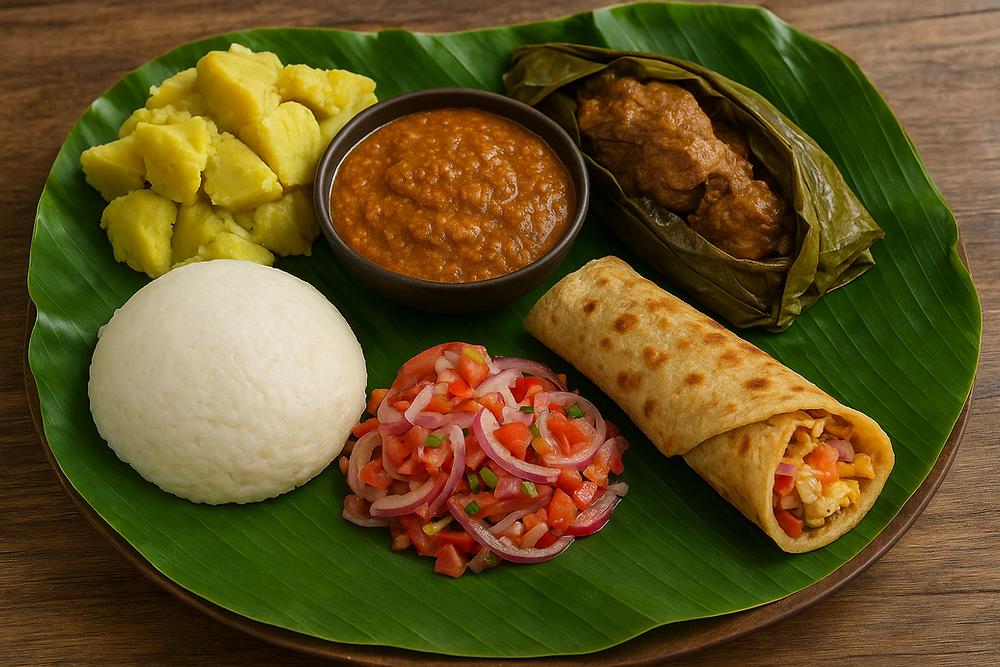
- Taste Traditional Ugandan Food
Food is one of the most enjoyable ways to discover Kampala.
Because the city brings together people from different regions, you can encounter a wide variety of dishes and cooking styles.
A food-focused visit may introduce you to dishes such as:
- Matoke
- Luwombo
- Posho
- Ugali
- Groundnut sauce
- Beans
- Cassava
- Sweet potatoes
- Chapati
- Rolex
- Grilled meat
- Seasonal fruits
Not every restaurant serves all these foods, and recipes vary between households, regions and businesses.
A good food experience explains the ingredients and context rather than presenting one menu as the definitive cuisine of Uganda.
Kampala offers opportunities to taste familiar Ugandan staples alongside popular street foods.
Try Matoke
Matoke, made from cooking bananas, is an important food in several Ugandan culinary traditions.
It may be steamed, boiled or prepared with other ingredients, depending on the recipe.
Try Luwombo
Luwombo is associated with a cooking method in which ingredients are cooked in banana leaves. Recipes and fillings vary.
A restaurant or local host may be able to explain the preparation method and the dish’s place in the relevant culinary tradition.
Try a Rolex
A Ugandan rolex is commonly made by wrapping an egg-and-vegetable omelet in chapati.
It is a popular street food and can be a convenient option for travelers looking for a quick meal.
What About Groundnut Sauce?
Groundnut sauce is prepared using groundnuts and other ingredients that vary by recipe.
It is served with different foods in various parts of Uganda.
- Take a Guided Kampala Food Tour
A
Tell Your Guide About Dietary Needs
Before booking, explain any allergies, dietary restrictions or food preferences.
If you need vegetarian or vegan options, say so in advance. If you have a severe allergy, discuss cross-contact risks rather than assuming a vendor can guarantee an allergen-free meal.
Travelers with sensitive stomachs may prefer freshly prepared, thoroughly cooked food from reputable vendors and should follow appropriate food and water safety guidance.
- Explore Kampala’s Street Food
Street food is part of the city’s everyday food culture.
You may encounter rolex stands, roasted foods, snacks, fruit sellers and small roadside businesses.
The experience can be lively and informal, and it often provides a glimpse into how residents eat during a busy day.
However, not every stall offers the same level of food hygiene.
Practical Street Food Tips
- Choose food that is freshly prepared and served hot where appropriate.
- Observe how food is handled and stored.
- Ask about ingredients if you have allergies.
- Drink water from a source you trust.
- Use clean hands before eating.
- Avoid food that appears improperly stored.
- Follow your guide’s advice about suitable stops.
You do not need to try every item. Choose foods that appeal to you and fit your dietary needs.
- Shop for Ugandan Crafts and Locally Made Souvenirs
Kampala offers opportunities to buy crafts, textiles, artwork, accessories and other products from local businesses and artisans.
Depending on the shop or market, you may find:
- Woven baskets
- Handmade jewelry
- Textiles
- Decorative objects
- Paintings
- Woodcraft
- Locally designed clothing
- Handmade gifts
- Other locally produced goods
Not every item sold in a craft shop is made in Uganda, so ask about the product’s origin if local production is important to you.
How to Shop Responsibly
When buying souvenirs:
- Ask whether the item is locally made.
- Find out what materials were used.
- Pay the agreed price respectfully.
- Consider buying directly from the maker when practical.
- Ask before photographing artisans or their workspaces.
- Avoid products made from protected wildlife or restricted materials.
If you are purchasing a fragile or bulky item, ask about packaging and transport before completing the purchase.
A souvenir can be a meaningful reminder of Uganda, especially when you know something about the person or business that made it.
- Experience Ugandan Music and Dance
Music and dance are important forms of cultural expression across Uganda.
Styles, instruments, rhythms and performance contexts vary among communities. Kampala’s cultural scene may include traditional performances, contemporary music, dance groups and events that bring together different regional influences.
Depending on the date and available programs, visitors may be able to attend:
- A cultural dance performance
- A music event
- A traditional-instrument demonstration
- A community-organized performance
- A contemporary live-music show
- A cultural festival or special event
Availability should be confirmed before you plan your evening around a particular performance
What Can You Learn From a Performance?
A well-explained performance may introduce you to:
- Musical instruments
- Rhythms and movement
- The context of a particular dance
- Community-specific traditions
- The relationship between traditional and contemporary music
Ask your guide which community or style a performance represents rather than assuming it reflects all Ugandan culture.
Respect Performers and Cultural Context
If a performance is arranged specifically for visitors, the organizers should explain the format and any participation guidelines.
Ask before recording performers, and follow any restrictions on photography.
Private ceremonies and sacred activities should not be treated as entertainment or entered without invitation.
- Explore Kampala’s Religious Heritage
Kampala has significant religious landmarks associated with different faith communities.
Religious sites can offer insights into the city’s history, architecture and contemporary life, provided visits are arranged respectfully.
Depending on access arrangements and your interests, you may consider learning about:
- The history of major Christian institutions
- Uganda’s Muslim heritage
- Religious architecture
- The development of religious communities in Kampala
- The role of faith institutions in public life
Some well-known landmarks include the Uganda Martyrs Shrine at Namugongo, the Bahá’í House of Worship and major religious institutions within Kampala.
The Namugongo shrine is outside central Kampala, so allow appropriate travel time if you include it in a city itinerary.
How to Visit Religious Sites Respectfully
- Check whether visitors are welcome at your planned time.
- Dress modestly.
- Avoid interrupting services or prayers.
- Ask before photographing worshippers.
- Follow site-specific rules.
- Respect restricted areas.
- Ask questions politely and accept when an area or activity is private.
Religious sites are places of worship and reflection as well as heritage landmarks.
- Learn About Kampala’s Hills and Historical Neighborhoods
Kampala developed across a series of hills, and its neighborhoods reflect different periods of the city’s growth.
A guided city walk or drive can help explain how the capital developed from a regional center into Uganda’s major urban hub.
Depending on your route, you may learn about:
- The city’s historical development
- The relationship between Kampala and Buganda
- Colonial-era changes
- Urban growth
- Local commerce
- Religious landmarks
- Contemporary neighborhoods
- How people move around the city
The city is busy, and traffic can make travel times unpredictable.
If you are interested in walking, ask your guide to select a route that is suitable for the weather, your mobility and the time available.
Walking or Driving?
A guided walk can provide close-up views of selected streets and landmarks.
A vehicle-based tour may be more practical if you want to cover several hills or sites spread across the city.
Many travelers benefit from combining the two rather than trying to walk long distances along busy roads.
- Discover Contemporary Ugandan Art and Creativity
Kampala is also a place to explore contemporary art, design, photography, fashion and other creative work.
Depending on current exhibitions and opening hours, you may be able to visit a gallery, creative studio, craft shop or cultural space.
Possible interests include:
- Contemporary painting
- Sculpture
- Photography
- Fashion and textiles
- Handmade design
- Visual storytelling
- Local creative businesses
The city’s creative scene is diverse, and not every space operates on a daily walk-in basis.
Check opening hours and whether appointments are required.
Buying Art Responsibly
If you purchase artwork, ask about the artist, materials, dimensions and packing requirements.
If you are buying a piece for international transport, ask whether the seller can provide a suitable package and any documentation required for the item.
Do not assume every object is eligible for export without additional checks.
- Visit the Uganda Martyrs Shrine at Namugongo
The Uganda Martyrs Shrine at Namugongo is an important religious and historical destination near Kampala.
The site is associated with the Uganda Martyrs, whose history is significant to Christian communities in Uganda and beyond.
A visit can help travelers understand part of the country’s religious history and the role of pilgrimage in contemporary life.
What Should You Know Before Visiting?
Namugongo is outside central Kampala, and travel time depends on traffic and your starting point.
If you visit during a major religious event, the area may be especially busy.
Check current access arrangements and plan your transport accordingly.
If a service or prayer is taking place, remain quiet and avoid interfering with worshippers.
- Explore the Bahá’í House of Worship
The Bahá’í House of Worship in Kampala is a notable religious and architectural landmark.
It is associated with the Bahá’í faith and offers visitors an opportunity to learn about a religious tradition that emphasizes the unity of humanity and the importance of spiritual reflection.
The grounds and architecture can make this a worthwhile stop for travelers interested in religion, architecture or quiet spaces within the city.
Visiting Respectfully
Confirm current visitor arrangements before traveling.
Dress appropriately, keep noise low and follow instructions from site staff.
If you wish to take photographs, check which areas permit photography and respect the privacy of people using the site for worship or reflection.
- Learn About Traditional Architecture and Cultural Design
Architecture can reveal a great deal about history, materials, climate and cultural values.
Kampala’s built environment includes contemporary buildings, historic structures, religious landmarks and sites associated with traditional institutions.
At appropriate heritage locations, a guide may explain:
- Roof design
- Natural building materials
- Traditional construction methods
- The cultural meaning of selected structures
- Changes in building styles
- Heritage conservation
If you are especially interested in traditional architecture, ask whether the itinerary can include a site where the architectural details can be explained by a knowledgeable guide.
- Discover Local Coffee and Tea
Uganda is an important coffee-producing country, and Kampala offers opportunities to learn about coffee through cafés, specialty coffee businesses and organized tasting experiences.
You may be able to explore:
- Locally grown coffee
- Different roasting styles
- Brewing methods
- Coffee tasting
- Coffee’s role in Uganda’s agricultural economy
- The connection between farmers, processors and buyers
Tea is also part of Uganda’s agricultural and drinking culture, although the experiences available in Kampala will depend on the businesses you visit.
What About Coffee Farm Visits?
A coffee farm experience usually requires travel outside central Kampala or a specially arranged program.
If you want to see the production process from farm to cup, ask your operator whether a suitable farm visit can be incorporated into a longer itinerary.
- Visit Kampala With Children
Kampala can be a rewarding cultural destination for families, particularly when the itinerary balances learning with breaks.
Possible family-friendly activities include:
- A short guided market visit
- A suitable museum visit
- A food-tasting experience
- Craft shopping
- A cultural performance
- A guided city tour with regular stops
- A visit to an appropriate heritage site
The best choices depend on the ages, interests and comfort levels of the children.
Markets can be crowded, while some historical visits require patience and quiet behavior. Explain expectations to children before entering religious or heritage sites.
Keep the Schedule Flexible
Allow time for rest, meals, toilets and transport.
Rather than visiting many sites in a single day, choose a small number that genuinely interest the family.
- Can You Explore Kampala Independently?
Yes, some travelers explore parts of Kampala independently. However, a local guide can be especially useful for market visits, heritage sites and cultural experiences.
A guide may help you understand the historical context, identify suitable places to eat, navigate crowded areas and communicate with hosts.
For a first visit, a guided half-day or full-day tour can provide a useful introduction.
More experienced travelers may prefer to visit selected attractions independently and arrange guides only where needed.
The important thing is to plan realistically for transport, opening hours, traffic and site access.
- How Many Days Do You Need for Kampala’s Cultural Experiences?
The time required depends on how deeply you want to explore the city.
Half a Day
Choose one or two nearby experiences, such as a guided market visit and a local food stop.
One Full Day
You may be able to combine a heritage visit, a market or food experience and a suitable cultural attraction, depending on traffic and opening hours.
Two Days
Two days provide more flexibility for historical sites, local food, markets, crafts and a performance or creative experience.
Three Days or More
A longer stay can include day trips, additional museums, religious heritage sites or a coffee-related experience outside central Kampala.
Do not treat these timings as guarantees. The number of places you can visit depends on their locations, access arrangements and traffic.
- A Sample One-Day Kampala Cultural Itinerary
This example combines heritage, food and everyday city life without attempting to cover the entire city.
Morning: Heritage Introduction
Begin with a guided visit to a suitable heritage site, subject to current access arrangements.
Your guide can explain the history of the Buganda Kingdom and the wider development of Kampala.
Late Morning: Market Visit
Explore a market with a local guide.
Learn about ingredients, daily commerce and the role of markets in the city’s food system.
Lunch: Ugandan Food
Enjoy a meal at a restaurant or other suitable establishment serving Ugandan dishes.
Ask your guide about the ingredients and regional variations.
Afternoon: Museum, Crafts or Religious Heritage
Choose one attraction according to your interests and opening hours.
You might prefer a museum, a craft-shopping stop or a religious heritage site.
Evening: Music or Relaxed Dinner
If a suitable event is available, attend a music or cultural performance. Otherwise, enjoy dinner and rest.
Planning note: This itinerary is illustrative. It should be adjusted to the locations, opening hours, traffic and availability of the selected experiences.
- A Sample Two-Day Kampala Cultural Itinerary
A two-day visit allows more time to explore without rushing.
Day 1: Heritage and Markets
Morning: Explore a Buganda-related heritage site, subject to access arrangements.
Late morning: Visit a local market with a guide.
Lunch: Taste a selection of Ugandan dishes.
Afternoon: Visit a museum or explore a craft business.
Evening: Enjoy dinner and, if available, a suitable music or dance performance.
Day 2: Religious Heritage and Local Food
Morning: Visit a religious heritage site or another attraction that interests you.
Midday: Enjoy a local food experience.
Afternoon: Explore a creative space, coffee business or selected city neighborhood.
Evening: Relax before continuing your Uganda itinerary.
This structure can be adjusted according to your interests and the opening schedules of the sites you choose.
- Responsible Cultural Tourism in Kampala
Cultural tourism is most rewarding when travelers remember that the city is home to people with their own routines, responsibilities and privacy.
A few simple practices can improve your visit.
Ask Before Taking Photographs
Always ask before photographing identifiable people, especially in markets, religious settings and residential neighborhoods.
If you intend to publish images or use them commercially, explain that purpose and obtain appropriate permission.
Respect Religious and Heritage Sites
Follow dress codes, photography restrictions and instructions from site staff.
Do not enter restricted areas or interrupt religious activities.
Buy From Local Businesses
When possible, purchase crafts, food and services from local businesses and artisans.
Ask about the origin of a product if local production matters to you.
Pay Fairly
Agree on prices or fees before an activity begins.
Avoid pressuring guides, drivers, performers or artisans to provide extra services without payment.
Avoid Stereotypes
Uganda is culturally diverse. One kingdom, language, meal or dance does not represent the entire country.
Be curious, ask questions and listen to the explanations provided by knowledgeable local people.
Respect Personal Space
Do not assume that people want to be interviewed, photographed or included in your travel content.
A friendly approach and a willingness to accept a refusal go a long way.
- Practical Tips for Planning Your Kampala Cultural Tour
Before booking, consider the following.
Transport and Traffic
Traffic can be heavy, particularly during busy periods.
Group attractions by location and allow extra time between stops.
Clothing
Wear comfortable clothing suitable for walking and the weather. Dress more modestly when visiting religious or culturally significant sites.
Cash and Purchases
Carry a suitable way to pay for planned activities and small purchases. Confirm which payment methods a specific business accepts.
Weather
Rain can affect walking and travel times. Carry a suitable rain layer when needed.
Food and Water
Follow sensible food-safety practices and choose food that suits your dietary requirements.
Photography
Check site rules and ask individuals for permission before taking photographs.
Accessibility
If you have mobility requirements, ask about steps, uneven surfaces, walking distances and vehicle access before booking.
Current Opening Hours
Do not rely solely on an old travel guide. Confirm opening times, access arrangements and special closures before visiting.
- How to Combine Kampala With a Uganda Safari
Kampala can work well at the beginning or end of a longer Uganda itinerary.
A cultural visit can provide context before you travel to national parks, while time in the city at the end of a trip can give you a final opportunity to explore food, crafts and heritage.
Depending on your travel plans, you could combine Kampala with:
- Gorilla trekking in Bwindi
- Gorilla trekking in Mgahinga
- Chimpanzee tracking in Kibale
- Wildlife viewing in Queen Elizabeth National Park
- A safari in Murchison Falls National Park
- A Jinja and Nile itinerary
- Coffee or agricultural experiences outside the capital
Your route should depend on the total number of days, arrival and departure arrangements, activity availability and preferred travel pace.
Frequently Asked Questions
What are the best cultural experiences in Kampala?
Popular options include local market visits, Buganda heritage sites, the Kasubi Tombs, the Uganda Museum, Ugandan food experiences, craft shopping, religious landmarks and cultural performances where available.
Is Kampala worth visiting for culture?
Yes. Kampala offers access to important heritage sites, markets, food businesses, religious landmarks and contemporary creative spaces. It can be a valuable introduction to Uganda before or after a wildlife safari.
Can I visit a local market in Kampala?
Yes. Market visits can be arranged independently or with a guide. A guide can help explain local ingredients, commerce and market etiquette.
Which market should I visit in Kampala?
Owino and Nakasero are among the markets travelers may consider, but the best choice depends on your interests, location, current conditions and comfort in crowded spaces.
Can I try traditional Ugandan food in Kampala?
Yes. Many restaurants and food businesses serve Ugandan dishes, while street-food vendors offer other popular options. Menus and preparation methods vary.
What is a rolex in Uganda?
A Ugandan rolex is commonly an omelet made with egg and vegetables wrapped in chapati. It is a popular street food.
Can I visit the Kasubi Tombs?
The Kasubi Tombs are an important Buganda heritage site. Confirm current access arrangements, opening times and photography rules before your visit.
Can I visit the Kabaka’s Palace?
Access depends on current arrangements and any restrictions in place. Confirm whether a visitor visit or guided tour is available before traveling.
Is the Uganda Museum suitable for families?
A museum can be a useful educational stop for families. Check current exhibitions, opening hours and the interests and ages of the children traveling with you.
Can I watch traditional Ugandan dance in Kampala?
Cultural performances may be available through organized programs or events. Confirm the schedule and the community or style represented before booking.
Are Kampala’s cultural attractions open every day?
Not necessarily. Opening hours, special events, restoration work and access restrictions can affect visits. Check each site before traveling.
Is it safe to visit Kampala’s markets?
Conditions vary by market and time of day. Use sensible precautions, keep belongings secure and consider a local guide if you are unfamiliar with the area.
How many days should I spend exploring Kampala?
One day can provide an introduction to selected cultural attractions. Two days allow more flexibility, while longer stays can include additional sites and day trips.
Do I need a guide for Kampala’s cultural attractions?
Not always, but a knowledgeable guide can provide historical context, help with logistics and explain local etiquette.
Can I combine Kampala with gorilla trekking?
Yes. Kampala can be included before or after a gorilla trekking safari, depending on your travel route and available time.
At Ikumi Gorilla Vacations, we can help you include Kampala’s cultural experiences in a wider Uganda itinerary, whether you want a short city introduction, a food-focused visit or a cultural stop before heading to the national parks.
Share your travel dates, number of travelers, available days and interests, and we can help you plan a practical itinerary around your priorities. Specific visits, guided tours and performances are subject to current access arrangements and confirmation.