
Matoke in Uganda: Traditional Food, Preparation and Where to Try It
Matoke in Uganda: Traditional Food, Preparation and Where to Try It
If you want to experience authentic Ugandan food during your visit, matoke is one of the traditional dishes worth discovering.
Made from cooking bananas, matoke is an important part of food culture in many Ugandan communities. The bananas are peeled, cooked until tender and often mashed or served with a flavorful sauce. Depending on the household, region and occasion, matoke may be prepared with groundnut sauce, beans, meat, vegetables or other accompaniments.
For international travelers, trying matoke is an opportunity to discover more than a new flavor. It is a way to connect with Uganda’s everyday food culture while exploring the country’s landscapes, wildlife and communities.
Whether you are planning a gorilla trekking safari in Bwindi, a wildlife trip to Queen Elizabeth National Park, a chimpanzee-tracking experience in Kibale or a cultural visit in Kampala, matoke can be part of your Ugandan food journey.
At Ikumi Gorilla Vacations, we help travelers plan Uganda safaris that can combine wildlife, nature and cultural experiences. If local food is part of what you want to discover, let us know when planning your trip.
What Is Matoke?
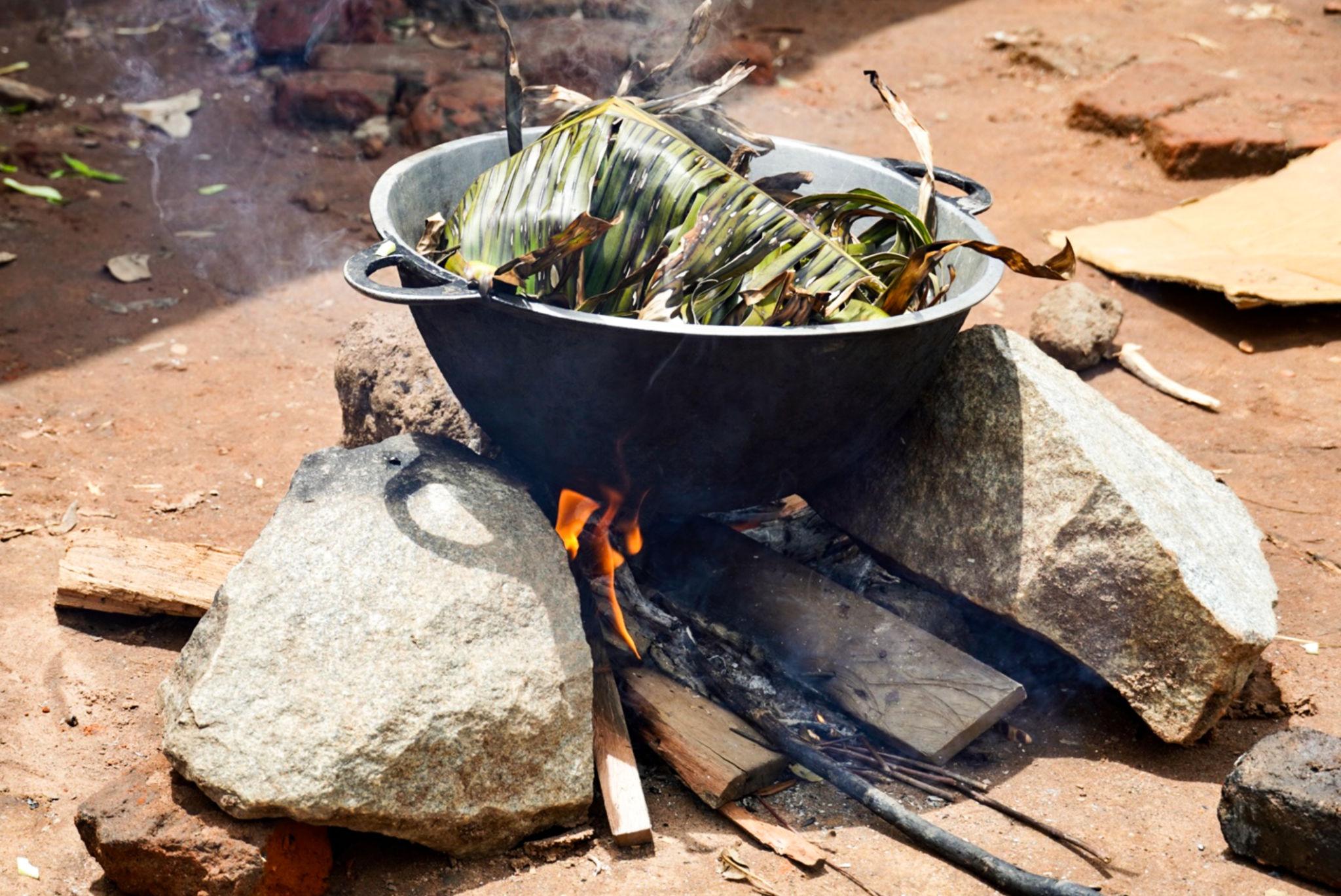
Matoke is a traditional Ugandan dish made from cooking bananas, commonly served with sauces or other local foods.
Matoke is prepared using a variety of cooking banana that becomes soft when cooked. The bananas are usually harvested while green, peeled and cooked until tender.
Depending on the recipe, they may be steamed, boiled or cooked using other traditional methods. They can then be mashed, shaped into portions or served whole alongside a sauce.
Matoke is especially associated with central and western Uganda, although cooking bananas are eaten in different forms across the country and the wider East African region.
What makes matoke distinctive is the ingredient, preparation method and way it is served with other foods. It is not simply a sweet banana eaten as a snack. It is a savory staple that forms part of a substantial meal.
Is Matoke the Same as a Regular Banana?
Not exactly.
Matoke is made from cooking bananas, which are generally prepared before eating. Unlike ripe dessert bananas, green cooking bananas are starchy and are usually cooked as part of a meal.
The taste and texture depend on the variety, ripeness and cooking method. Properly cooked matoke is often soft, filling and relatively mild in flavor, making it a good accompaniment to richly flavored sauces.
Why Is Matoke Important in Uganda?
Matoke is more than a popular dish. It is part of everyday life in many Ugandan households.
Cooking bananas are used in family meals, hospitality and food traditions. Preparation methods can be passed from one generation to another, with individual households adapting recipes to their preferences and available ingredients.
For visitors, matoke provides a useful introduction to how Ugandan meals are structured.
A plate may include a starchy staple such as matoke, a protein such as beans or meat, and a sauce made with groundnuts or other ingredients. The exact combination varies.
Matoke is also connected to agriculture. Cooking bananas are cultivated in many parts of Uganda, and banana plants are a familiar feature of numerous rural landscapes.
If your safari includes time outside the major towns, you may see banana-growing areas along the road. These landscapes offer a glimpse into the agricultural activities that support everyday cooking.
How Is Matoke Prepared Traditionally?
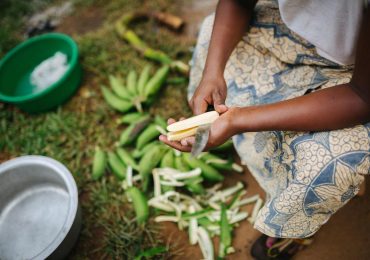
Suggested image caption: Preparing matoke involves peeling green cooking bananas and cooking them until they become tender.
Traditional preparation varies by household, but the general process is straightforward.
Step 1: Select the Cooking Bananas
Green cooking bananas are selected according to the recipe and the number of people being served.
The bananas are generally firm before cooking.
Step 2: Peel the Bananas
The outer skin is removed before cooking. Depending on the variety and preparation method, peeling may require some care.
Step 3: Prepare the Cooking Vessel
The bananas may be placed in a cooking pot or arranged using banana leaves, depending on the local method.
Banana leaves can be used to enclose the food during steaming.
Step 4: Cook Until Tender
The bananas are cooked until they soften. Cooking time varies with the quantity, size of the pieces and method used.
Step 5: Mash or Serve
Once tender, the bananas may be mashed or served in portions.
They are often accompanied by a sauce, beans, vegetables, meat or another dish.
Suggested image alt text: Traditional preparation of matoke using peeled green cooking bananas cooked until tender.
What Does Matoke Taste Like?
Matoke has a mild, starchy flavor and a soft texture when cooked properly.
It is not usually as sweet as a ripe dessert banana. Instead, it works much like other staple foods by providing a satisfying base for sauces and accompanying dishes.
The overall taste of the meal depends heavily on what is served alongside it.
For example:
- Matoke with groundnut sauce:Often rich, creamy and nutty.
- Matoke with beans:A filling combination with a savory flavor.
- Matoke with meat sauce:A more substantial meal with additional protein.
- Matoke with vegetables:An option that may suit travelers seeking a plant-based meal, depending on the ingredients used.
If you are trying Ugandan food for the first time, matoke is a good introduction because its mild flavor pairs well with many traditional sauces.
What Is Matoke Served With?
Suggested image caption: Matoke is commonly served with sauces, beans, vegetables or meat, depending on the household and menu.
Matoke can be served with a variety of foods.
| Accompaniment | What it adds to the meal |
| Groundnut sauce | A rich, nutty flavor |
| Beans | Plant-based protein and a hearty texture |
| Beef stew | A savory meat accompaniment |
| Chicken | A protein option that may be served with sauce |
| Fish | Another protein option, depending on the menu |
| Vegetables | Additional flavor, color and texture |
| Other local sauces | Regional and household variations |
Not every restaurant or lodge offers all these combinations.
If you have a particular dish in mind, ask about availability before visiting.
Matoke and Groundnut Sauce
Groundnut sauce is made using peanuts and is an established part of many Ugandan meals.
Its creamy texture can complement the mild flavor of matoke.
Important: Groundnuts are peanuts. Travelers with peanut allergies should ask about ingredients and possible cross-contact before ordering.
Matoke and Beans
Matoke served with beans can be a satisfying meal for travelers who want a traditional plant-based option.
However, recipes differ. Ask whether the beans are cooked with meat stock, animal fat or other ingredients if you follow a vegetarian or vegan diet.
Matoke and Meat
Some restaurants serve matoke with chicken, beef or other meat dishes.
The sauce and preparation vary, so ask what is included if you have dietary preferences.
Where Can Tourists Try Matoke in Uganda?
If you want to try matoke during your trip, you have several options.
- Traditional Ugandan Restaurants
Restaurants specializing in local cuisine are a practical place to start.
In Kampala and other towns, you can ask whether matoke is available and which sauces or accompaniments are served with it.
Traditional-food menus can change, so confirm availability rather than assuming every restaurant prepares the dish daily.
- Local Eateries
Local eateries may offer matoke as part of a daily meal.
These places can provide an opportunity to experience everyday food culture. Choose a provider with good food-handling practices and food that is freshly prepared and thoroughly cooked.
- Hotels and Safari Lodges
Some hotels and safari lodges serve Ugandan dishes alongside international meals.
If you would like to try matoke during your safari, ask your lodge or tour operator whether it can be included in a meal.
Availability varies by property, so it is best to make the request in advance.
- Cultural and Community Experiences
Depending on the location and the activities available, a cultural visit may provide an opportunity to learn about local food traditions.
If a host demonstrates how matoke is prepared, ask permission before taking photographs and follow their guidance.
Food experiences should be arranged respectfully and should benefit the people providing them.
Can You Try Matoke on a Uganda Gorilla Trekking Safari?
Yes, you may be able to include matoke in your meals during a gorilla trekking trip, depending on the restaurants and accommodation selected.
Gorilla trekking commonly takes travelers to southwestern Uganda, including areas around Bwindi Impenetrable National Park and Mgahinga Gorilla National Park.
A safari can also include time in Kampala or other destinations where local food experiences may be easier to arrange.
Before booking, tell your tour operator that you want to experience Ugandan cuisine. This allows the itinerary and meal arrangements to be considered alongside your wildlife activities.
A Sample Food and Wildlife Journey
A trip might include:
- Kampala:Explore local cuisine and try matoke at a restaurant serving Ugandan food.
- Kibale:Experience forest scenery and, if arranged, chimpanzee tracking.
- Queen Elizabeth National Park:Enjoy wildlife viewing and scenic landscapes.
- Bwindi:Prepare for a gorilla trekking experience and ask your lodge about local meals.
This is an example rather than a fixed itinerary. The best route depends on your travel dates, gorilla permit availability, accommodation preferences and departure arrangements.
Planning a gorilla trekking trip? Ikumi Gorilla Vacations can help you discuss the route, accommodation, permits, transport and additional cultural experiences for your visit to Uganda.
Is Matoke Suitable for Vegetarians and Vegans?
Matoke itself is made from cooking bananas, so the basic ingredient is plant-based.
However, the finished dish may be prepared or served with animal products.
If you are vegetarian or vegan, ask whether the meal contains:
- Meat or fish stock
- Animal fat
- Butter or ghee
- Milk or other dairy products
- Meat-based sauces
Matoke with beans or vegetables may be suitable, but the full recipe must be checked.
Do not assume that a dish is vegan simply because it contains bananas and vegetables.
Is Matoke Gluten-Free?
Plain matoke made from cooking bananas is naturally gluten-free.
However, sauces and other accompanying dishes may contain ingredients that do not suit a gluten-free diet. Preparation practices can also vary.
If you have coeliac disease or another medically necessary dietary restriction, explain your needs clearly and ask about ingredients and cross-contact.
Is Matoke Spicy?
Matoke itself is generally mild, but the sauce served with it may contain chili or other seasonings.
Ask the restaurant how the accompanying sauce is prepared if you prefer mild food.
Matoke, Food Markets and Ugandan Agriculture
Suggested image caption: Cooking bananas are sold in local markets and grown in many parts of Uganda.
Food markets can help travelers understand the ingredients used in everyday Ugandan cooking.
Cooking bananas are among the agricultural products you may encounter in local markets, where sellers offer produce according to season and local demand.
A market visit can reveal how food moves from farms to households and restaurants.
If you plan to visit a market during your safari, ask your guide about suitable locations and respectful visitor etiquette. Always ask before photographing vendors or customers.
Suggested image alt text: Green cooking bananas displayed at a Ugandan food market.
Matoke Compared With Other Ugandan Staple Foods
Uganda has several staple foods, and each has its own ingredients, preparation methods and regional associations.
| Food | Main ingredient | Typical role |
| Matoke | Cooking bananas | Cooked staple served with sauces |
| Posho | Maize flour | Firm or dough-like accompaniment |
| Cassava | Cassava root | Boiled, steamed, dried or prepared in other ways |
| Sweet potatoes | Sweet potato | Boiled, steamed or served with other foods |
| Rice | Rice | Staple served with sauces and other dishes |
| Chapati | Wheat flour | Flatbread used in meals and street food |
The best way to understand Ugandan cuisine is to try a variety of dishes rather than treating one food as representative of the entire country.
If you have enough time, you can explore matoke alongside luwombo, groundnut sauce, Rolex and other foods during your visit.
How Much Does Matoke Cost in Uganda?
There is no single price for matoke.
The cost depends on the restaurant, location, portion size, accompanying dishes and level of service.
A simple local meal may cost less than a meal at an upscale restaurant or safari lodge. Prices can also change over time.
For an accurate price, check the current menu or ask the restaurant before ordering.
If you are booking a safari package, confirm which meals are included and whether special food experiences cost extra.
This helps you understand the full trip budget before making a booking.
Food Safety Tips for Travelers Trying Matoke
Matoke is a cooked dish, but normal food-safety precautions still matter.
When choosing where to eat:
- Select a reputable food provider.
- Prefer food that has been freshly prepared and thoroughly cooked.
- Check that hot dishes are served hot.
- Choose safe drinking water.
- Wash or sanitize your hands before eating.
- Tell the provider about allergies or dietary restrictions.
- Ask about ingredients if you are unsure what a sauce contains.
Travelers with serious allergies should not rely on assumptions about traditional recipes. If a provider cannot confirm the ingredients or explain how cross-contact is managed, choose another option.
How to Include Ugandan Food in Your Safari Booking
A safari is an opportunity to experience Uganda’s wildlife and landscapes, but your trip can also include local food and cultural interests.
When discussing your trip with Ikumi Gorilla Vacations, mention if you would like to:
- Try matoke and other traditional Ugandan dishes.
- Visit a market with a guide.
- Learn about local food traditions.
- Include cultural activities alongside wildlife viewing.
- Discuss vegetarian, vegan or allergy-related meal requirements.
- Stay at accommodation that can offer local meals.
These preferences can be considered when planning your route and discussing suitable accommodation or activities.
Planning a Uganda Safari?
Tell Ikumi Gorilla Vacations what you want to experience. Share your intended travel dates, number of travelers, approximate trip length, preferred accommodation level and main interests.
We can discuss a suitable Uganda itinerary, including gorilla trekking where available, wildlife experiences and opportunities to discover local food.
A booking inquiry is the first step toward checking the practical arrangements for your trip. Gorilla permits, accommodation and other services must be confirmed for your chosen dates before the itinerary can be finalized.
Frequently Asked Questions About Matoke in Uganda
What is matoke in Uganda?
Matoke is a traditional dish made from cooking bananas that are peeled and cooked until tender. It is commonly served with sauces, beans, vegetables or meat.
Is matoke a traditional Ugandan food?
Yes. Matoke is an important staple in many Ugandan communities, particularly in central and western Uganda.
What does matoke taste like?
Cooked matoke has a mild, starchy flavor and a soft texture. The sauce or other foods served with it contribute much of the meal’s overall flavor.
Is matoke sweet?
Matoke made from green cooking bananas is generally more starchy than sweet. It is usually prepared as part of a savory meal rather than eaten like a ripe dessert banana.
What is matoke served with?
It may be served with groundnut sauce, beans, vegetables, beef, chicken, fish or other accompaniments, depending on the recipe and establishment.
Can tourists eat matoke in Kampala?
Yes. Travelers can look for matoke at restaurants serving Ugandan cuisine. Availability and preparation vary, so check the menu before visiting.
Can I eat matoke during a gorilla trekking safari?
You may be able to, depending on your accommodation and meal arrangements. Ask your safari operator or lodge whether matoke can be included.
Is matoke vegetarian?
Plain matoke is plant-based, but sauces and accompanying dishes may contain animal products. Confirm the full ingredients if you are vegetarian or vegan.
Is matoke gluten-free?
Plain matoke is naturally gluten-free, but accompanying sauces and preparation practices should be checked if you need to avoid gluten for medical reasons.
Is matoke the same as a ripe banana?
No. Matoke is made from cooking bananas, which are generally cooked before eating. Ripe dessert bananas are usually eaten fresh.
Can I learn how to prepare matoke during my visit?
Possibly. Cooking demonstrations or cultural food experiences may be available through suitable local hosts or tour arrangements. Availability should be confirmed before booking.
Can Ikumi Gorilla Vacations include cultural food experiences in a Uganda safari?
You can discuss your interest in local food when requesting a safari itinerary. Suitable meals or cultural experiences can be considered depending on the route, availability and arrangements.
Plan Your Uganda Safari With Ikumi Gorilla Vacations
Discovering matoke can be a simple but memorable part of exploring Uganda.
Combine local food with mountain landscapes, wildlife viewing, cultural experiences and, if it suits your interests and travel dates, a gorilla trekking adventure.
Ready to start planning? Contact Ikumi Gorilla Vacations with your travel dates, number of travelers, preferred trip length and the experiences you want most. We can discuss a practical itinerary and the availability of the services you need.
Your trip can be built around your interests, from gorilla trekking and wildlife to the food and culture that make Uganda distinctive.