
Queen Elizabeth National park : The Ultimate Wildlife Safari Guide,Activities and Best time to visit
At Queen elizabeth national park in uganda also known as the kazinga national park , the sky seems to nearer. not suprising.

Volcanic action in the past left alot of distinctive features like lake goerge,to the northeast and lake edward in the northwest boundaries of the park.there are also craters fillled with forests occasionally reminds us of the jurasic park,but are no dinosuers here. just a large variety of wildlife against a backdrop of natural beauty rarely found anywhere else.
In 1959, Dr Hugh Catt said: Uganda’s parklands fullfill a deep human need. For in these tracts of the earth not only the animal but man himself can find a sanctuary, and retreat from routine into the reality of world apart,.. he was referring to queen elizabeth national park.
- Wildlife in Queen Elizabeth National Park
There are always chances of seeing the 4 of the big five, visitors marvel at the giant elephants across the park, the gentle Hippos, tree climbing lions,charging buffalos, lucky moments with shrewed leopards and astonoshing tree climbing lions.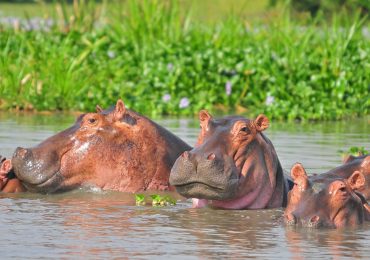
The significance of the elephants’s close relationships to the park is erected in this statue on the grounds of mweya lodge.
Elephants are very closely knit usually led by a matriach and woe to anybody who tries to disturb their peace
- kazinga channel and boat cruises in queen elizabeth
kazinga channel is one of the most spectacular wildlife attractions in queen elizabeth national park, it is a natural waterway connecting lake Edward and lake George creating a rich eco system that attract incredible concetration of wildlife. while at kazinga channel for aboat cruise on the nile river brings a breathtaking experience of with a river bank full oof wildlife and birdlife, it is amagnet thatattracts elephants and buffalos as visitors can also see antelops and other animals moving through the sorroundings vegetation.
It is also a paradise for Hippos as hippos gather in the shallow waters with thier -heads and backs emerging above the surface as crocodiles and other animals flop the shoreline to drink, cool and bathe theselves in water this makes kazinga channel wildlife photography spot.

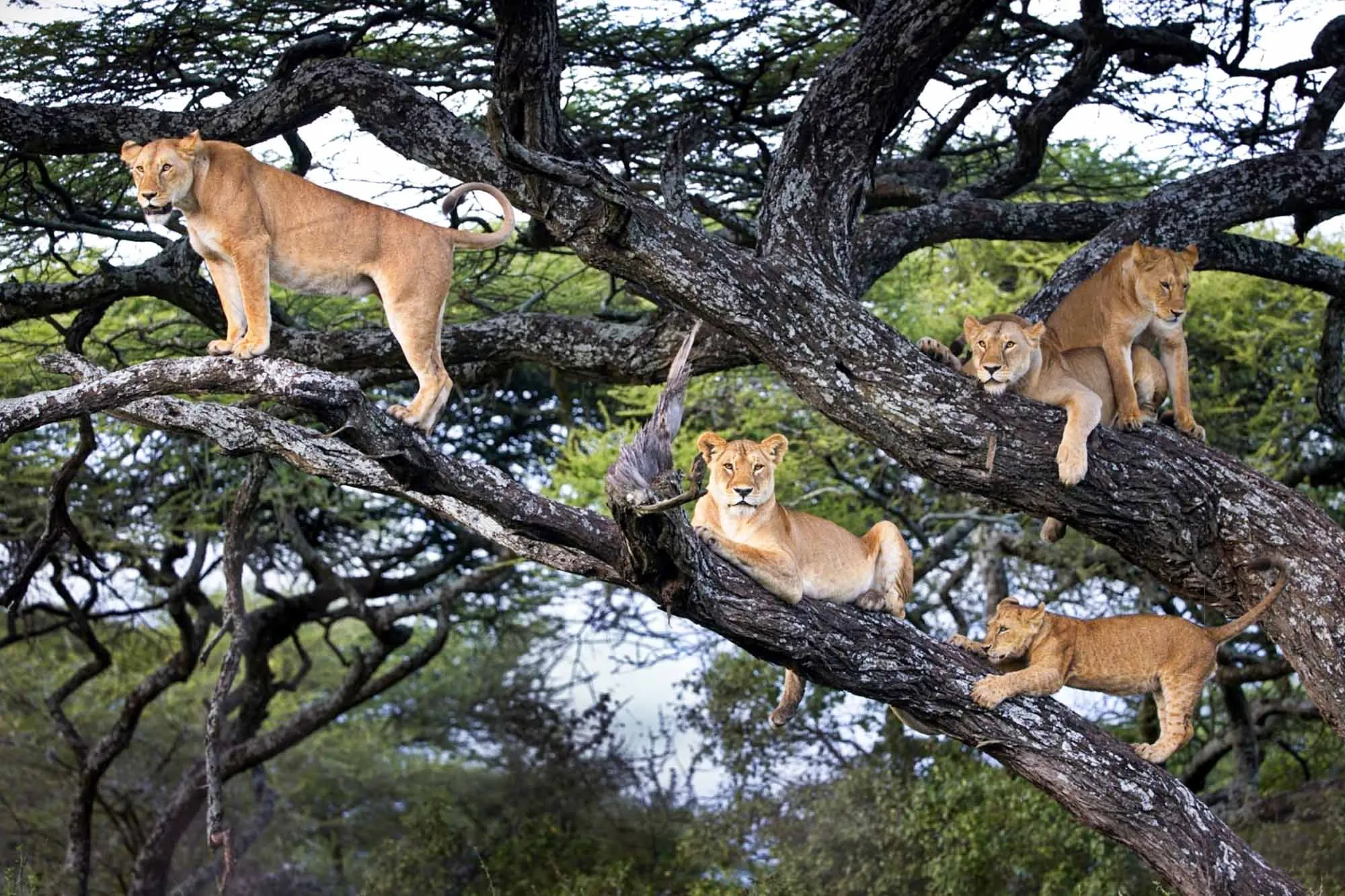
The Tree climbing lions of ishasha in queen elizabeth
one of the most fascinating experience in the park are the tree climbing lions.Unlike most lions,these remarkable cats are found resting high in the branches of the large trees, creating one of Ugnada’s most memorable wildlife encounters. They are found in ishasha sector in the southern part of the park.The area is famous for the frequently climb fig trees and acacia trees particulary during the heat of the day.
An incredible photography opportunity .. imagine driving through savannah and suddenly a a spotting of a lon stretched acrosee branches of a giant fig tree
why Ishasha is special: the sector offers much more than tree climbing lions visitors and experience open savannah landscapes, elephants,buffalos, and other wildlfe enjoying a quieter safari experience.
- Birding life in queen elizabeth park
more than 660 bird species have been recorded in this park making it a bird haven and atttraction for many birders. There is plenty to occupy the die hard bird watchers.Quite a number of thse birds for a migratory trend of breeding in europe but wintering in Africa.Enthusiasts will have afeverish night trying to guess what rare bird will bet focused on in the binoculars the following day.
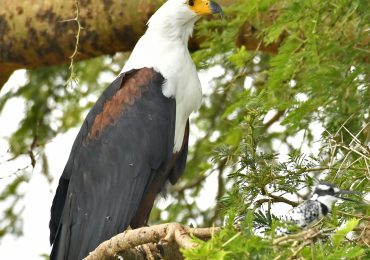
The most common bird species to find here are pied wagtail, African fishing eagle,malachite, king fisher,lesser flamingoes,egyptian goose , spur winged plover,sacred ibis, African skimmers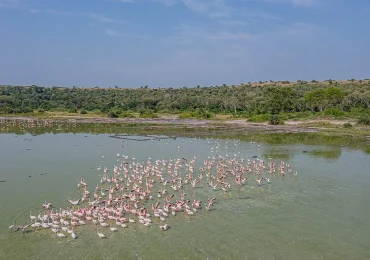
- The kikorongo Equator monument in Queen Elizabeth National Park
The kikorongo Equator monument is s perfect stop overnear the northern side of queen elizabeth national park near mpondwe sect in Kasese District the equator pases through kikorongo area giving a perfect opportunity to stand within the the geographival boundary between the northern and southern hemispher of the earth.
location; for a number of traveller s and tourists stopping at the equator ias amemorable part of th e safari . you can also learn about thwe significance of th monument as you take some good photographs . The area also provides beautiful views towards the Rwenzori mountains
- Salt Mining in lake katwe queen elizabeth national park
Beyond wildlife discover the ancient salt mining tradition of lake katwe. Salt mining is one of the most incredible economic and cultural experiences in Queen Eizabeth national park, unlike the famous wildlife, the tradition gives visitiors a glimpse into the traditional livelihoods of communities living along the protected area. The local workers collects the salt fromm evaporation pans a round the lake the intense heat causes water to evaporate leaving salt behind which can immensely collected and processed. This activity is highly labour intensive.
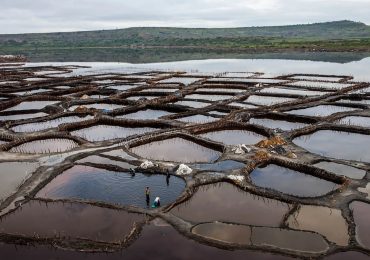
It is more than atourist attraction but rather if has been historically an important source of livelihood and income for communities around lake katwe and it also forms part of the areas cultural heritge and a connection between tourism, local livelihoods and natural resources.
- Chimpanzee trekking in kyambura gorge
Deep with in Qeen Elizabeth national park lies kyambura gorge, a dramatic green valley oftenly known as the “Valley of apes”. if is one of Uganda most exciting places to visit for chimps trekking experince in the wild.
Entering the valley of apes; the trek begins at the edge of the gorge before descending into a lush underground forest. the gorge is sorrounded by steep walls and filled with dense vegetation, creating a beautiful and adventures setting.
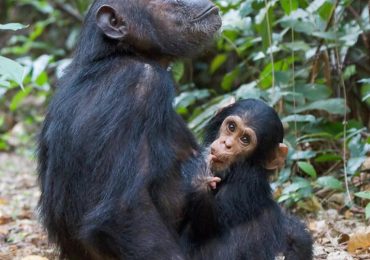
An important highlight of the trekking experience , you can see them feeding, grooming, playing calling to one another or swining through the trees. As you walk through the forest with an experienced ranger , you search for signs of chimpanzees such as calls, movements,throught he trees or freshly distributd vegetation.
kyambura is also ahome to the othe forest wildlife including red tailed monkeys, velvet monkeys baboons and numerous bird species.
When should you visit Queen Elizabeth National Park
PERIOD CONDITIONS ACTIVITY
June-August drier wildlife and safari
September-November wetter green scenery
December-february drier wildlife and photography
March-May wettest chimp trekking
Things locals wish visitors knew about queen elizabeth antional park
- safari in queen elizabeth national park is a about much more than ticking animals off a checklist. the park is closely connected to communities that live within and aroud it, and understanding that relationshipscan make your visit more meaning ful
- conservation isn’t simply about protecting aimals nut also the people who live beside them
- Your tourism is very important to the local; the money generated in tourism contributes to the conservation and community programs.
- follow the park rules
- Do not expected the wildlife to perform for you
- Take photographs but experienvce the moments too
- The park belongs to the future generation too
- Talk to lacals to. a little greetings is also a kind gesture
Safety tips on a safari
A safari inside Queen Elizabeth National Park is an astonishing experience but a tourist should know that you are enetering a home to wild animals with acan nver be predicted
- stay inside your vehicle
- keep a safe distance from animals
- always follow your gides instructions
- keep the noise to the least minimum
- Never provoke animals
- stay on designated parktracks
- Be careful especially around kazinga channel
- prepare for the changing weather
what shouldn’t miss in your travel bag on a safari to queen elizabeth national park
- water proof jacket
- comfortable closed shoes
- hat and sunscreen
- insect repellant
- drinking water
- binoculars
- cameras and spare batteries